

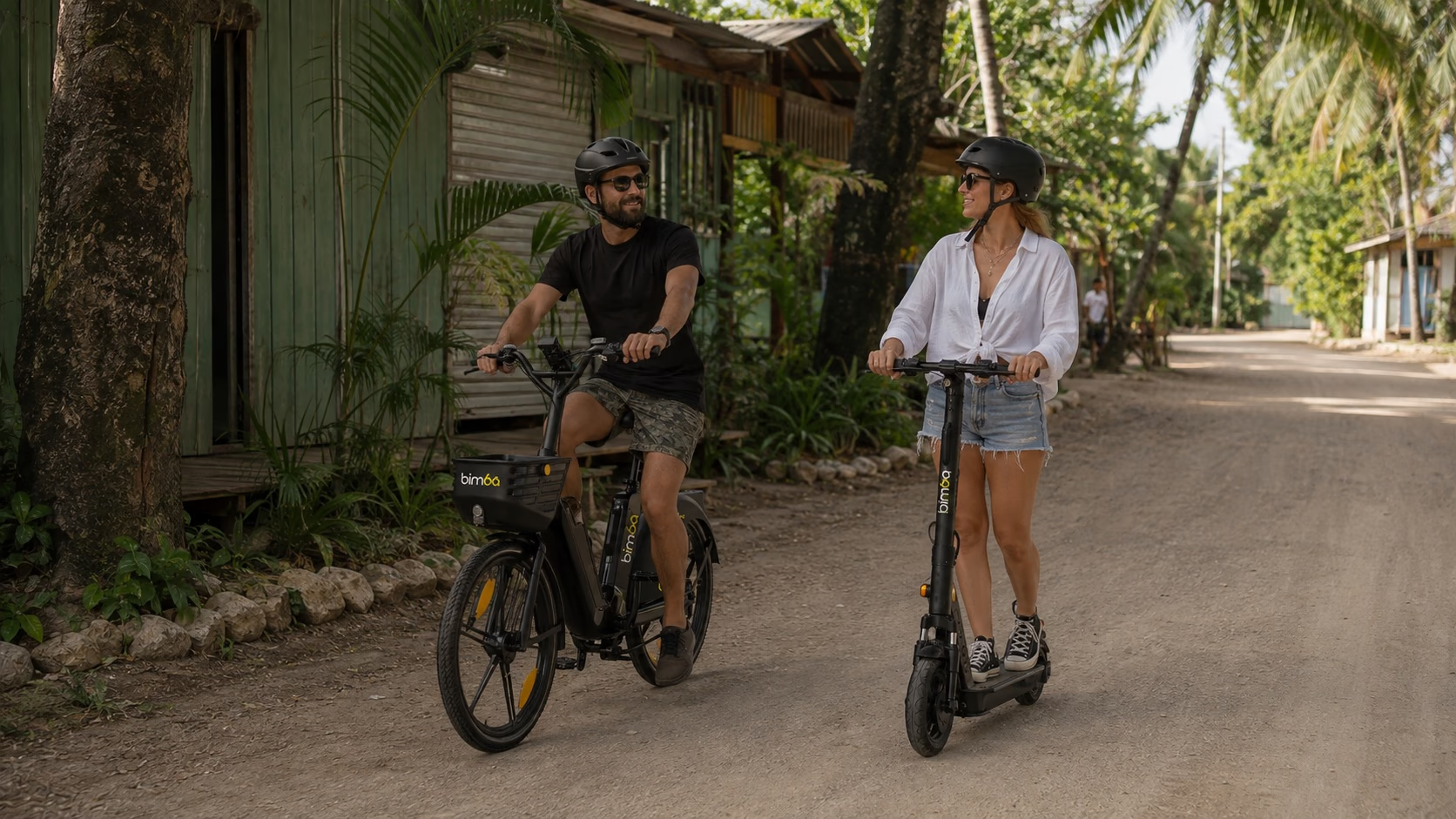
Three days in Santa Teresa can work without a rental car when you stay near the coastal corridor and group each day's plans by area. Use walking for close stops, Bimba for suitable daylight trips with an approved endpoint, and taxis for luggage, darkness, heavy rain, alcohol or any steep road. Keep regional excursions out of a short itinerary unless they are the main reason for the trip.
Build each day around one area, move only when the next stop is worth it, and decide the return before the sun goes down.
One area per chapter of the day.
A relaxed itinerary avoids repeated north-south crossings and preserves room for weather and surf conditions.
| Day | Anchor | Smart movement |
|---|---|---|
| 1 · Arrive | Playa Carmen and sunset | Walk locally; taxi from arrival point with luggage |
| 2 · Settle in | Central Santa Teresa | Bimba for a suitable daylight link; taxi after dinner |
| 3 · Choose | Mal País, second surf lesson or slow morning | Match the mode to gear, road and return deadline |
Day one: land softly in Playa Carmen
Do not turn arrival day into a race. Check in, buy water, confirm the exact road around your accommodation and keep the first afternoon inside one easy area. Playa Carmen works well for a beach walk, a first surf-school conversation and sunset without adding a long transfer.
If you arrive with luggage, take a confirmed taxi or shuttle to the door. Once settled, walk or check the Bimba app for a suitable short trip. Finish at an approved point before continuing on foot and decide the after-dark return before dinner.
Practical checks
- Confirm tomorrow's surf lesson directly with the operator.
- Save a taxi contact before sunset.
- Check the Bimba endpoint before unlocking.
Day two: surf, coffee and the central corridor
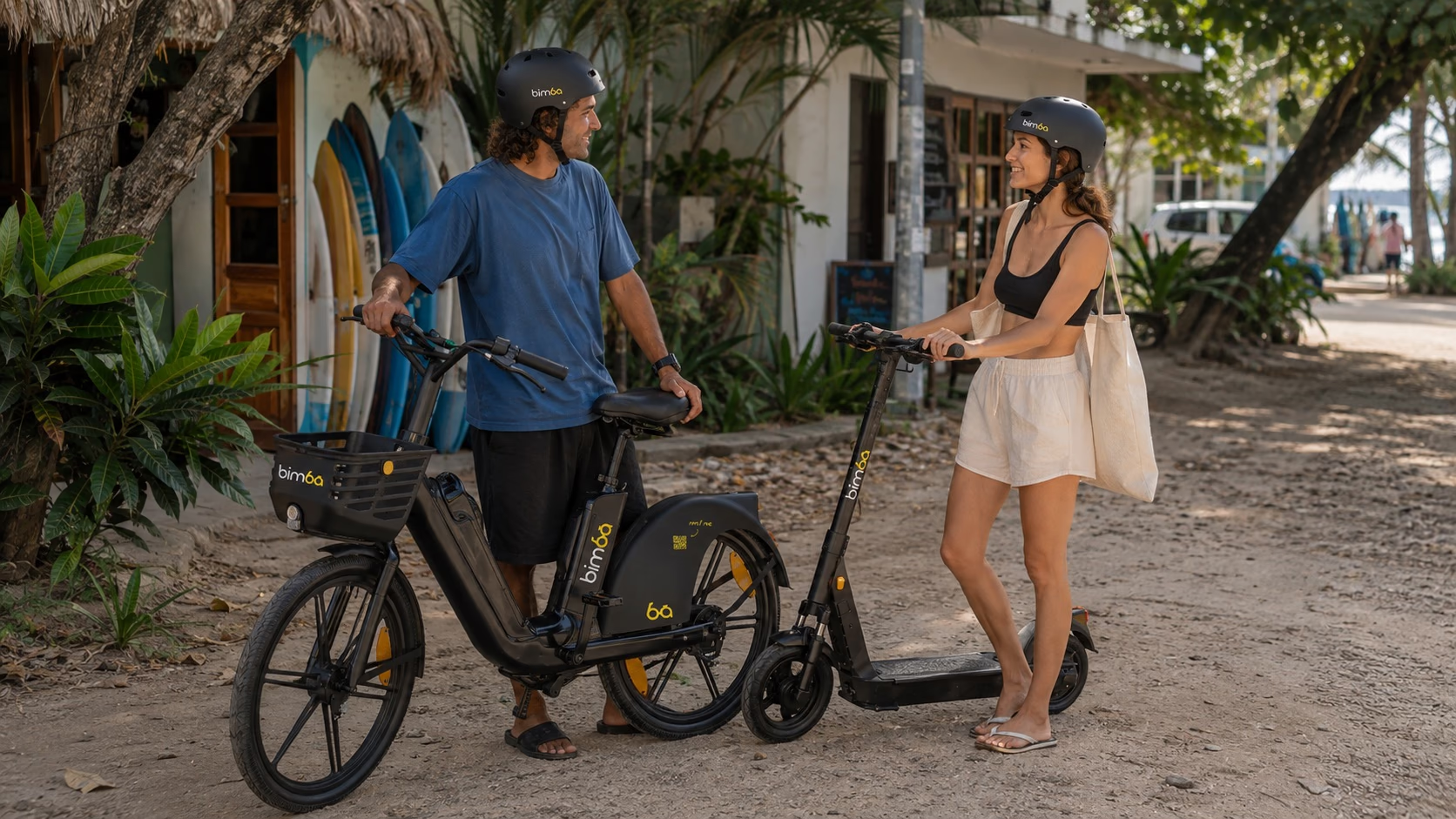
Book the morning around the conditions selected by a qualified local surf instructor, not around an old tide screenshot. Leave the board at the surf school or use the school's transport. Bimba does not promise a surf rack and should never be improvised as board transport.
After the session, recover nearby rather than crossing town for a famous café. Later, an available Bimba can suit a dry daylight trip toward central Santa Teresa. End the ride properly, explore on foot and take a taxi home if dinner, darkness or drinks remove the riding margin.

Day three: choose depth over distance
Use the final day for the thing the first two days made you want more of: another coached surf session, yoga and a slow breakfast, or a planned visit toward selected Mal País anchors. Do not add Montezuma, Cabo Blanco and a waterfall simply because a generic itinerary lists them.
For Mal País, confirm the exact endpoint and the way back. Shared availability moves, tide-pool access is separate from Bimba parking, and a time-sensitive checkout deserves confirmed transport. A short trip feels better when it leaves enough margin to shower, pack and leave calmly.
How Should You Prepare Before Day One?
A three-day visit loses value quickly when check-in and local transport are improvised. Confirm the transfer to the exact accommodation door, save the host and driver contacts offline, and ask whether reception closes. Carry the first evening's essentials so an immediate cross-town errand is optional.
After check-in, inspect the nearest beach access and main-road crossing in daylight. Save one taxi contact and confirm the next morning's surf lesson directly. The purpose of arrival day is orientation, not collecting attractions. The Costa Rica Tourism Board's Puntarenas material is useful for regional context, while current weather and operator messages should make the final daily decision.
How Do You Build Day Two Around the Surf Window?
Let the surf school choose the meeting time from current conditions. Eat nearby, arrive early enough for the safety briefing and keep the board with the school or its transport. Afterward, recover close to the lesson rather than committing to a long, hot transfer while tired.
Use the afternoon for one central cluster: coffee, shopping and an early dinner within walking distance of one another. If a Bimba suits the dry daylight link, verify its endpoint before unlocking. Decide the return separately; a ride out does not guarantee a shared vehicle home.
Keep the day resilient
- Save an indoor option for rain.
- Do not schedule a fixed tour immediately after surf.
- Carry water, sun protection and a dry layer.
- Move dinner earlier if the return route is unfamiliar.
What Is the Best Use of Day Three?
Choose between a second coached surf session, a slow wellness morning or a planned southern visit toward Mal País. Each is a complete final day. Trying to add distant peninsula attractions creates transfer risk and turns checkout into a deadline.
Leave bags at confirmed storage, preserve time to shower and pack, and use dependable transport for a flight, ferry or shuttle connection. If visiting Mal País, identify the exact public access and return pickup rather than navigating to a broad beach label. Keep at least one hour of local buffer before a time-critical departure, and more when rain, road works or a long regional connection could change travel time.
How Much Should You Schedule Each Day?
Use one fixed anchor and one optional activity per day. The anchor may be a surf lesson, confirmed transfer or dinner reservation; everything else should fit around it geographically. Santa Teresa rewards margin because weather, road conditions, restaurant hours and ocean conditions can change. A timetable with four distant reservations may look efficient but leaves no room for the destination itself.
For day one, make check-in and orientation the anchor. For day two, let the surf or activity window set the rhythm. For day three, protect checkout and onward transport. Place food, coffee and beach time inside the same area rather than repeatedly crossing the corridor. The official Puntarenas destination guide provides regional orientation; current operators and weather should determine the exact sequence.
What Is a Realistic Three-Day Decision Budget?
Budget time as carefully as money. Arrival with luggage deserves confirmed door-to-door transport. A short daylight ride can be flexible, but a flight, ferry or shuttle cannot depend on a shared vehicle being available. Set aside a taxi reserve for darkness, active rain or a route that feels different from the map. This is not wasted money; it buys the ability to stop forcing an unsuitable plan.
Before each day, write down the latest safe departure, the approved endpoint for any Bimba ride and the fallback pickup point. Group members should know the same meeting location in case phones lose data. If alcohol is part of dinner, remove riding from the return plan before leaving the accommodation.
Use this morning check
- Review the current weather outlook.
- Confirm the fixed booking directly with the operator.
- Choose one area for the next several hours.
- Save the return contact and pickup pin.
- Carry water, charge and a light rain layer.
How Do You Recover a Day When Weather Changes?
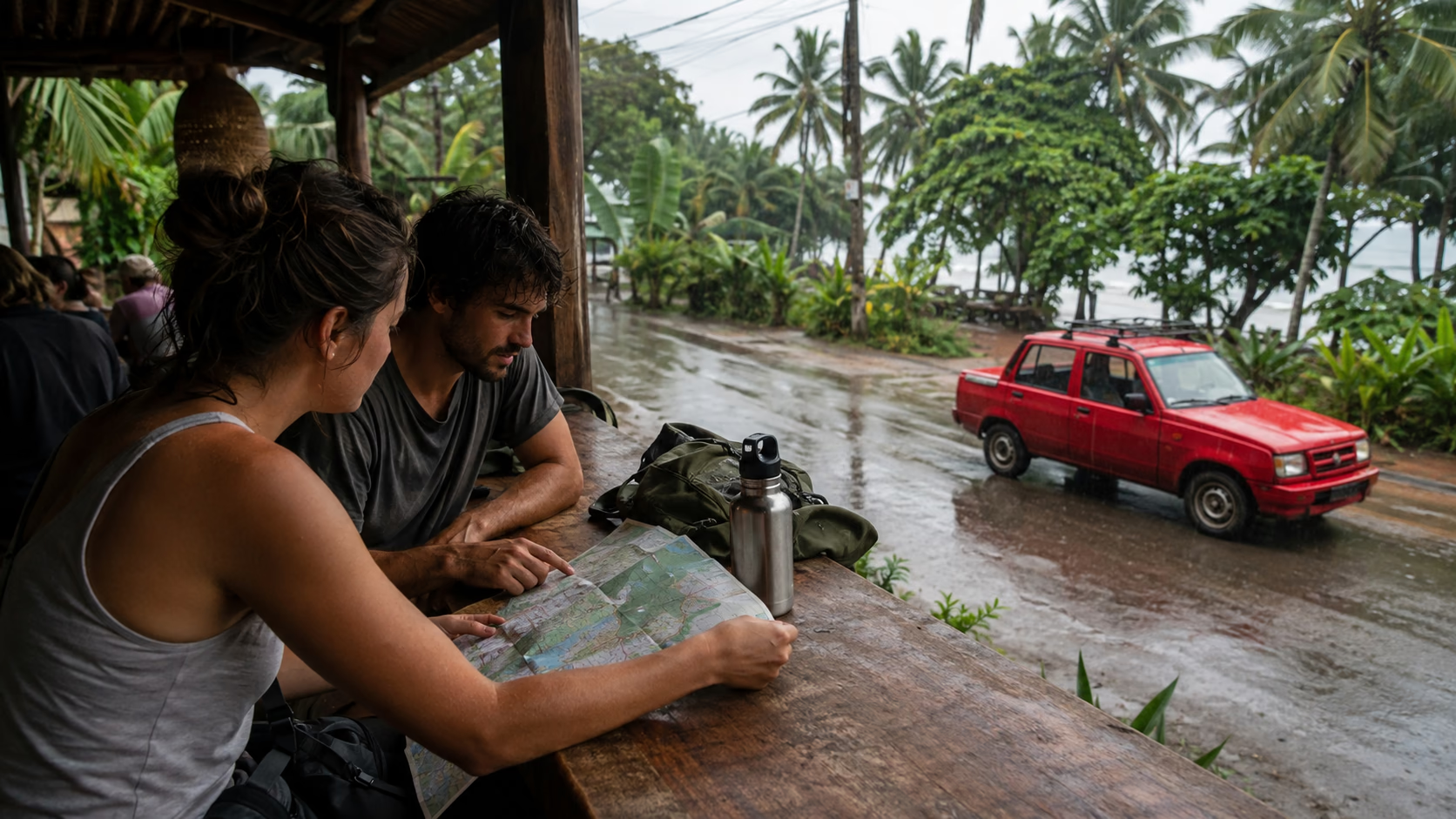
A rainy afternoon does not require replacing the entire trip. Keep the day inside one area: use a café, meal, massage, covered workspace or rest period, then reassess when visibility and road conditions improve. Do not ride simply because the vehicle is already unlocked or the itinerary says the next stop is due.
On the final day, weather margin matters twice because checkout and regional connections are fixed. Pack before the optional activity, confirm luggage storage and use dependable transport for the departure. A good three-day itinerary is not the one with the longest attraction list; it is the one that delivers a coherent experience without turning every change into a crisis.
What Should You Carry on a Short Santa Teresa Day?
Carry enough to protect the plan without turning every move into a luggage transfer: water, sun protection, a charged phone, a small rain layer, essential medication and one securely closed day bag. Download accommodation and pickup pins for offline access. Keep cash and payment cards separated, and leave passports or unnecessary valuables in the property's secure storage when appropriate.
For surf, confirm whether the school supplies the board, leash and rash guard before leaving. For a departure day, separate the clothes and documents needed for the onward journey so the main bag can remain stored. A compact, organized load expands your transport options; an unsecured or oversized bag can make a walk or ride unsuitable. Never hang bags from handlebars or carry anything that prevents stable control. If the load grows during shopping, finish the outing with a taxi rather than forcing it onto the original plan.
Plan the Rest of Your Santa Teresa Trip
Use these related Bimba guides to verify the vehicle, price, route and place where a trip can finish:
- where to stay without a car
- Santa Teresa without a car
- best beaches
- best coffee shops
- Bimba locations
- current pricing
- download the Bimba app
- choose a Bimba vehicle
Research sources and live checks
Accommodation, weather, surf conditions and business details can change. Use these destination and operator sources as starting points, then confirm time-sensitive details directly:
Frequently Asked Questions
Are three days enough for Santa Teresa?
Yes for a focused beach-town stay. Choose one or two areas rather than trying to cover the entire Nicoya Peninsula.
Do I need a rental car for this itinerary?
Not if the accommodation is central and you are comfortable mixing walking, suitable shared rides and pre-arranged taxis.
Can I carry a surfboard on Bimba?
No surfboard rack is promised. Use the surf school's storage or transport, or a taxi/rental vehicle designed for the board.
What if it rains?
Replace the ride with a taxi or keep the day within walking distance. Do not force a timetable onto unsuitable road or visibility conditions.