

Cabo Blanco deserves its own day in your Santa Teresa itinerary. Start with the reserve visit you want to make, check current entry arrangements and choose a walk you can finish comfortably. Then organize transport around the visit rather than trying to squeeze the reserve between other bookings.
Give Cabo Blanco a day of its own
Cabo Blanco is a protected natural area at the southern end of the Nicoya Peninsula. It is not simply another beach stop to add between lunch and sunset. The route inside, visitor access and closing arrangements need to shape the day.
The Costa Rica Tourism Board's Puntarenas guide identifies the Cabuya visitor station. Confirm the active entrance for your visit rather than assuming proximity from the Mal País side means public entry there.
Verify these details before booking transport
| Detail | Why it matters |
|---|---|
| Current opening days | Historic schedules may not reflect a temporary closure |
| Entrance and check-in process | A pin for the reserve boundary is not necessarily the public entrance |
| Ticket purchase | Some protected areas use different booking arrangements |
| Last entry for the chosen trail | This can be earlier than the site's closing time |
| Trail conditions | Rain or maintenance can change the available walk |
| Return deadline | You need to be back before closure, not just starting back |
| Fees and accepted payment | Confirm the current amount and eligibility category |
Use SINAC's visitor services to identify the appropriate current arrangement. Do not assume a booking process used at a different national park applies here.
Choose the walk you can complete comfortably
Ask the visitor service what each open route involves and how much time to allow at your pace. Account for heat, stops and the return, not merely the outward distance. If you are uncertain about the longer option, choose a shorter available walk rather than committing under time pressure.
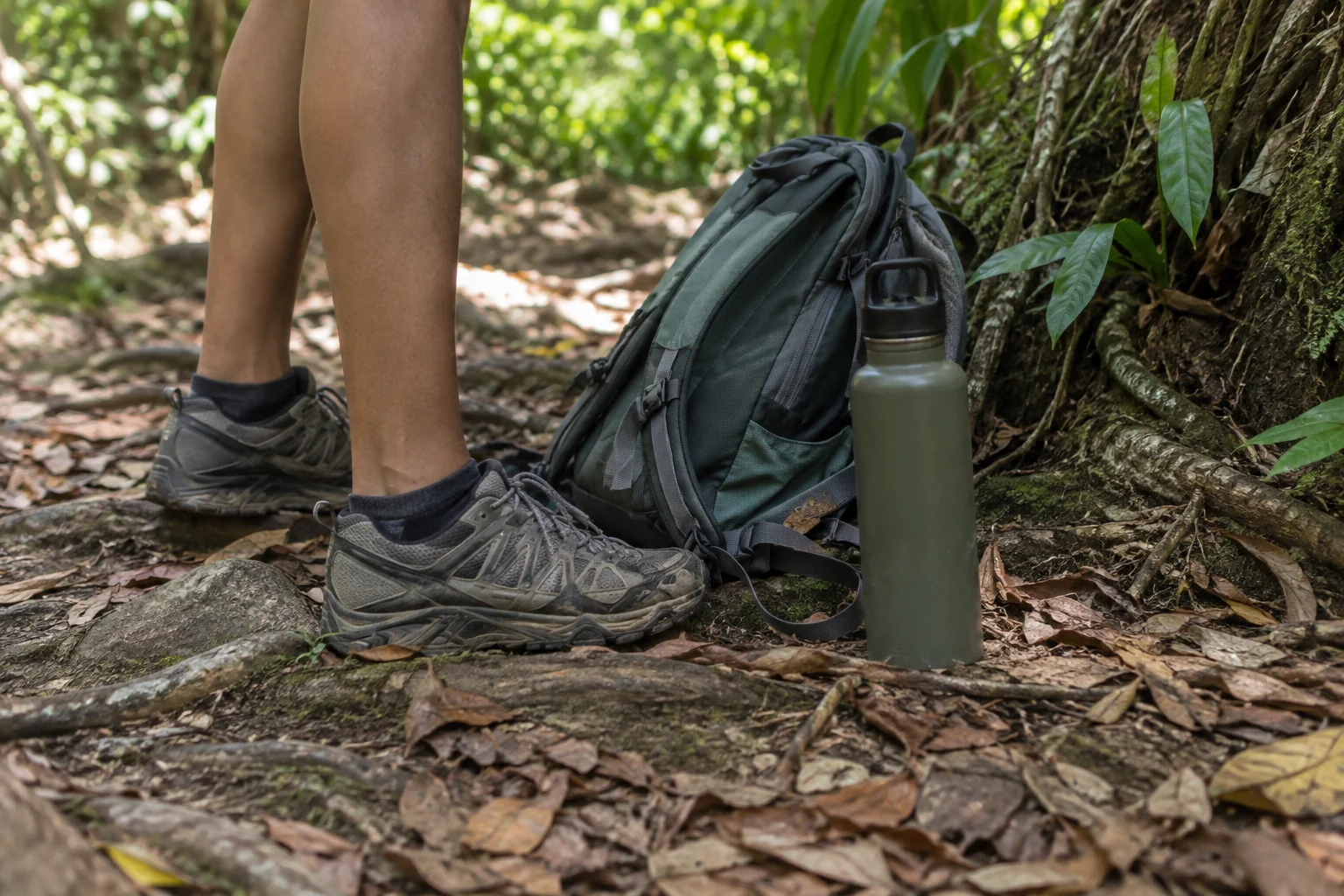
Wear footwear suitable for the actual trail and bring the supplies advised by the site. Keep the load manageable. A coastal destination can still involve walking that is different from an ordinary beach stroll.
Arrange a precise return
Tell the transport provider the visitor entrance and your planned collection time. Ask what happens if conditions require an earlier finish. Save the contact details and identify a pickup point you can recognize when you return.
Do not plan a shared Bimba as the regional transfer. Use the Santa Teresa transport guide to compare appropriate options, and obtain a current route estimate from the provider.
Respect the purpose of the visit
Follow site instructions, remain on permitted routes and keep wildlife at a distance. Do not feed animals or treat a close encounter as a requirement for a successful visit. A species being present in a reserve does not mean you will see it on a particular walk.
Carry out what you bring in and avoid playing audio into the surrounding habitat. If a section is closed, use the available route rather than seeking an informal shortcut.
Keep the afternoon flexible
Avoid placing another time-critical booking immediately after the expected return. A protected-area day involves transport and walking, and the most comfortable pace may differ from the first estimate.
If access cannot be confirmed, choose another activity for that date. The regional day-trip overview can help with broader travel logistics, while the operator should answer the specific visit questions.
Work backward from leaving the reserve
Once you know the available walk and entry rules, decide when you need to finish and meet your driver. Allow time to reach the exit, gather your belongings and get to the agreed pickup point. The end of the trail and the transport pickup may be different places.
Pack for the visit itself, including water and weather protection, rather than relying on buying everything along the way. Ask about current facilities if they affect what you need to bring.
Leave the rest of the day light. A nearby meal after the outing is easier to adjust than another prepaid activity. Giving the reserve enough time helps you enjoy the walk without turning the return into a deadline to chase.
Cabuya entrance and the two named trails
The Costa Rica Tourism Board’s Puntarenas guide identifies Cabuya as the visitor entrance. It describes the Sueco trail toward Playa Cabo Blanco and the circular Danés trail. That distinction helps you ask for the walk you want instead of treating a beach map pin as the reserve entrance.
The guide publishes Wednesday–Sunday opening, 8 a.m.–4 p.m., with an earlier entry window for the beach trail. Treat that as a planning reference and confirm the current schedule and trail cutoff with the reserve before booking transport. Opening time and the latest safe start for a walk are different pieces of information.
For the next part of your plan, see our comparing regional day trips and packing for the outing.
Frequently asked questions
Can I enter from whichever side is closest?
No assumption should be made from map proximity. Confirm the designated public visitor entrance.
Are the opening hours in old articles enough?
No. Use current official visitor information before paying for the journey.
Is a beach visit guaranteed at the end of the walk?
Follow the route and conditions confirmed for the day. Do not assume every trail or coastal access remains open.
Summary
Plan a Cabo Blanco visit around current reserve information, a suitable walk and a precise return arrangement. Confirm access before travelling and bring what you need for the outing. Matching the walk to your group and the conditions leaves more time to enjoy the reserve at a comfortable pace.
Treat the reserve as the main event
Verify the official schedule, entry conditions and trail status, arrive prepared and leave enough daylight for the return. Postpone if weather or access makes the outing unsuitable.