
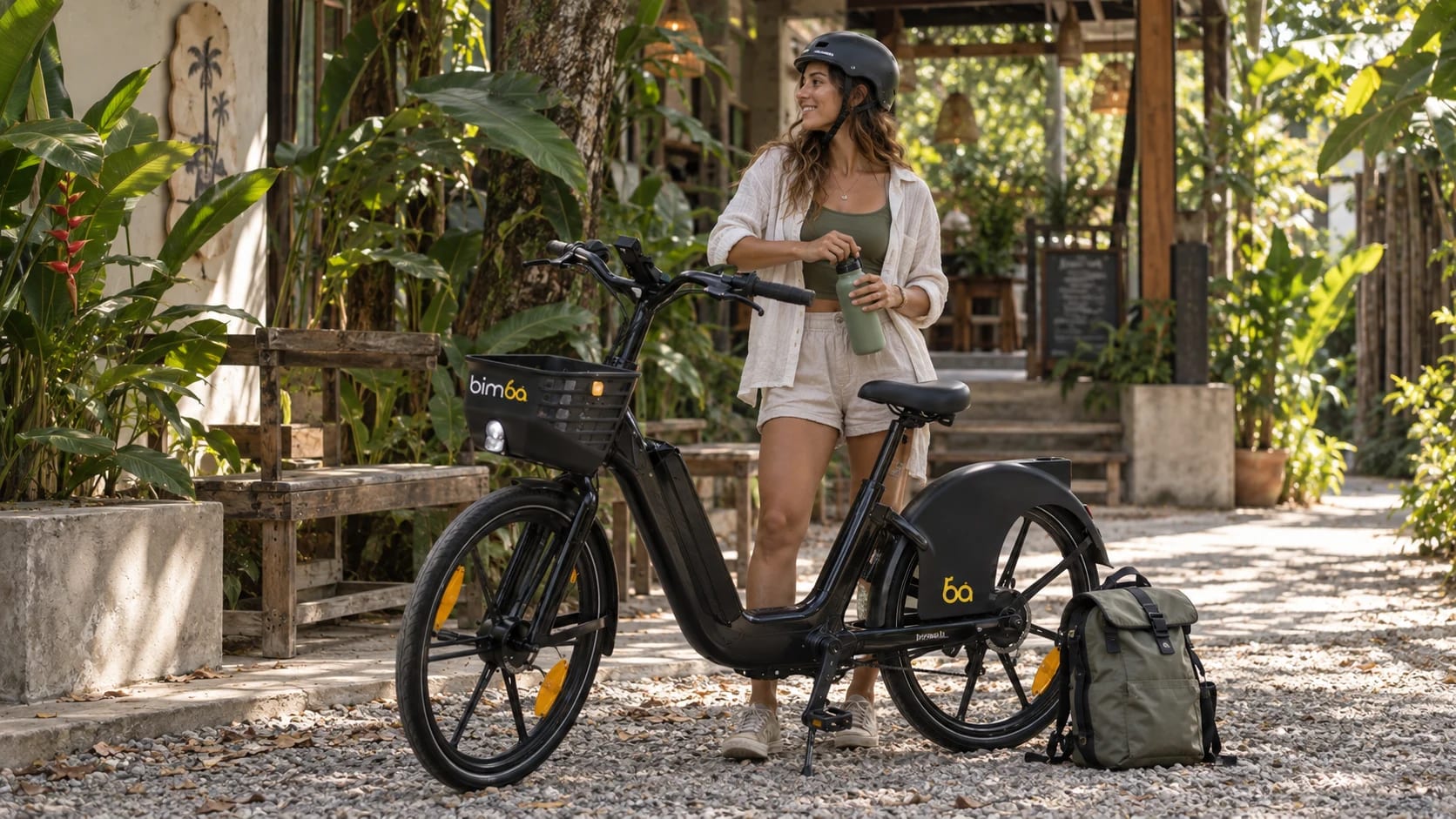
A good Santa Teresa day bag is light enough to carry comfortably and organized enough that you can find what you need. Start with water, sun protection, your phone and a way to keep essentials dry. Then add items for today's plan, rather than packing for every possible outing.
Start with the essentials for today
Leave the items you will not use securely at your accommodation. A smaller, well-organized bag is easier to manage whether you walk, take a transfer or use a suitable shared ride.
The most useful bag is one you can manage on foot and keep close while seated. If you intend to use a shared bicycle or scooter, decide whether the load suits the vehicle before unlocking it. A suitcase or a large board changes the transport choice.
A practical packing table
| Item | Why it earns a place | Avoid |
|---|---|---|
| Refillable water bottle | Lets you carry water for the outing | A loose bottle near moving parts |
| Sun protection | Useful during exposed walks and waiting | Assuming a café stop removes exposure |
| Light towel or dry cloth | Separates wet and dry belongings | Packing a wet towel against electronics |
| Protective phone pouch | Helps keep the phone usable around sand and rain | Treating a pouch as permission to immerse a device |
| Small power bank | Useful for a long day away from charging | Loose cables while riding |
| Payment method and backup | Reduces dependence on one option | Carrying every card and document unnecessarily |
| Lightweight rain layer | Useful when plans change | Bulky items you cannot secure |
| Suitable footwear | Supports the surfaces and activity you chose | Assuming beach footwear suits every trail or ride |
Keep the phone useful
Before leaving reliable connectivity, save your accommodation pin, booking details and return contact. Charge the phone and check mobile data. If you will use an app-based service, complete account setup before you are standing beside the vehicle with a low battery.
Do not put a phone in a position that requires holding it while moving. Stop in an appropriate place to check directions. The Bimba riding guide explains the service workflow; a downloaded map cannot replace the live steps needed to end a ride.
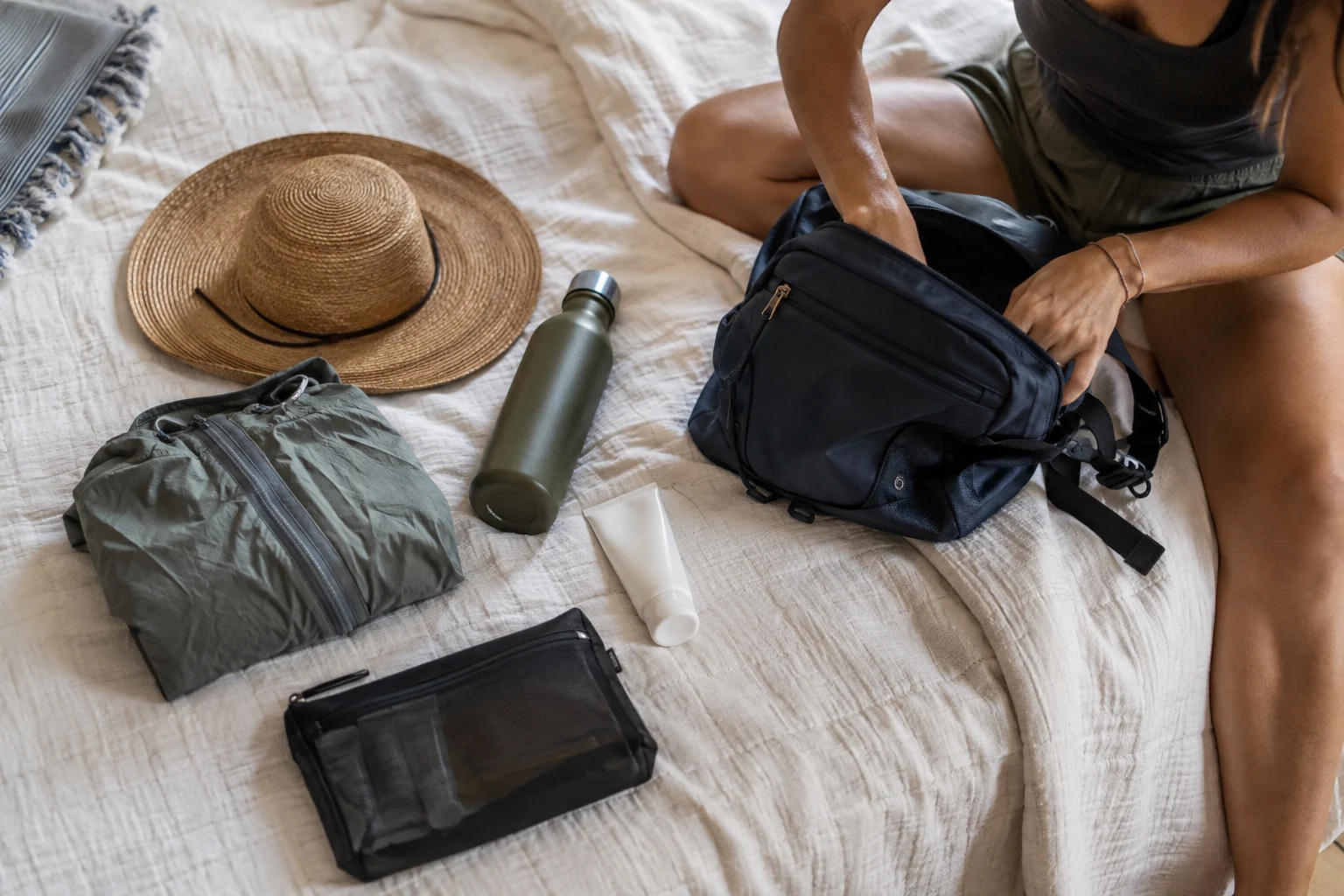
Separate wet, dry and valuable items
Use an inner pouch for electronics and documents, with a separate space for wet clothing. Close the bag before changing location. A loosely draped towel or strap can catch on the vehicle or obscure a control.
Take only the documents your booked activity or rental actually requires. Ask the provider in advance rather than arriving without a required original or carrying sensitive documents when they are unnecessary. Keep a secure copy of travel information accessible through your normal travel arrangements.
Add items for the specific day
A work session: bring the charger you need, headphones and a way to protect the laptop during the journey. If the load becomes awkward, choose a transfer.
A class or lesson: ask whether the operator provides mats, boards or other equipment. Avoid transporting something simply because you assumed it was not included.
A regional excursion: follow the tour operator's packing instructions and confirm what stays on the boat or vehicle. Keep essentials accessible during transfers instead of burying them in a large bag.
Do a carry test before leaving
Put the packed bag on and walk a short distance. Check that you can move freely and that nothing hangs loose. Use a bicycle basket only within its stated limit. Keep bags off a standing scooter’s handlebar so your belongings do not interfere with control.
If the bag changes your balance or makes you reluctant to put both hands on the controls, reduce the load or change transport. See transport options for the rest of the journey.
Pack once, then adjust for the outing
For a café and beach visit, keep the bag simple: everyday essentials, what you need at the beach and a separate place for damp items. Leave valuables you will not use securely at your accommodation.
For a booked lesson, ask what the school provides before adding equipment. You may only need your personal items and a change of clothes. For a boat trip, use the operator's packing list because the day may involve transfers, boarding and time away from shops.
Before leaving, lift the packed bag and check that you can carry it comfortably. If it feels awkward before the outing begins, remove something or choose transport that can handle the load. A bag should help the day run smoothly, not decide what you can do.
For the next part of your plan, see our getting to a lesson without carrying a board and packing and planning for Tortuga Island.
Frequently asked questions
Do I need a large backpack for a beach day?
Only if your actual needs justify it. A small, organized kit is easier to manage between stops.
Should I pack the same bag every day?
No. Repack around the day's activities and weather rather than carrying yesterday's unused equipment again.
Summary
A good Santa Teresa day bag contains what you will use between leaving your accommodation and returning. Protect your essentials, separate wet items and check any equipment already included in the day's activity. Before setting off, make sure the packed bag is comfortable to carry on your chosen journey.