
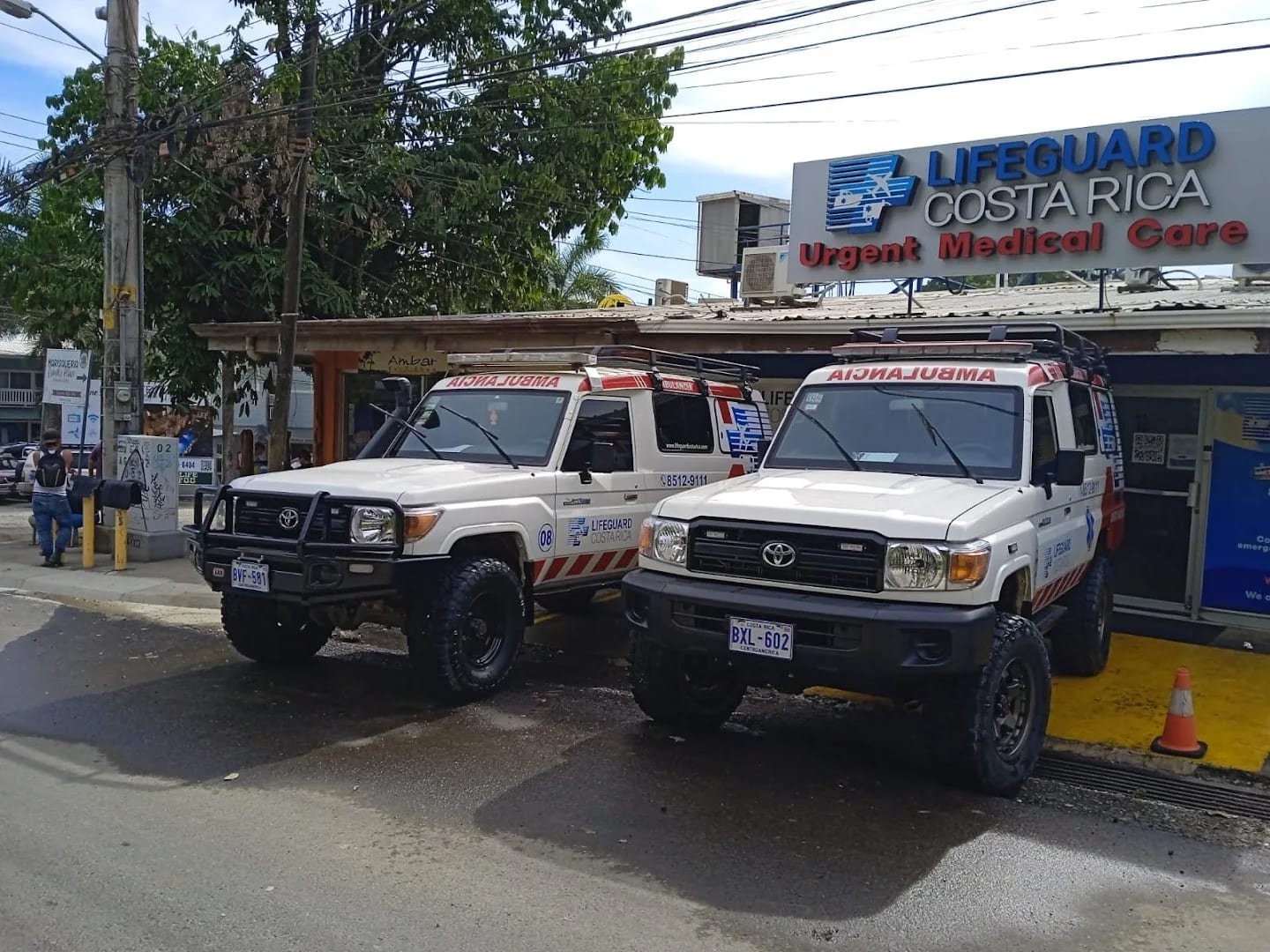
Clinic and ambulances shown in Santa Teresa Doctor’s business listing. Image source: View original photo.
For a medical emergency in Costa Rica, call 9-1-1. Do not wait for a clinic to answer a booking message or for an insurer to approve an ordinary appointment. Costa Rica's Judicial Branch identifies 911 as the country's single emergency telephone number. For a non-emergency visit in Santa Teresa, start by confirming the provider is in Santa Teresa de Cóbano, Puntarenas, and that it can receive you for the service you need. Several places elsewhere share the Santa Teresa name.
This guide helps with access, paperwork and communication. It cannot assess symptoms, select treatment or decide whether you need hospital care. When urgency is uncertain, seek clinical guidance rather than using a travel article to classify the problem. A nearby clinic may be the right place for a consultation, but its website is not a substitute for assessment. The practical goal is to reach the appropriate professional with the information they need and a clear plan for what follows the visit.
Two local service listings, with different contact workflows
Santa Teresa Medical Center's santateresahealth.com website explicitly identifies Santa Teresa de Cóbano, Puntarenas. It describes private care for adults and children, a laboratory and visits without an appointment. These are provider statements, not an independent assessment of quality or a promise that every service is immediately available. Use the contact channel on that site to confirm the current location and how to arrive for your particular visit. Ask whether a clinician can address your need before arranging a non-urgent journey.
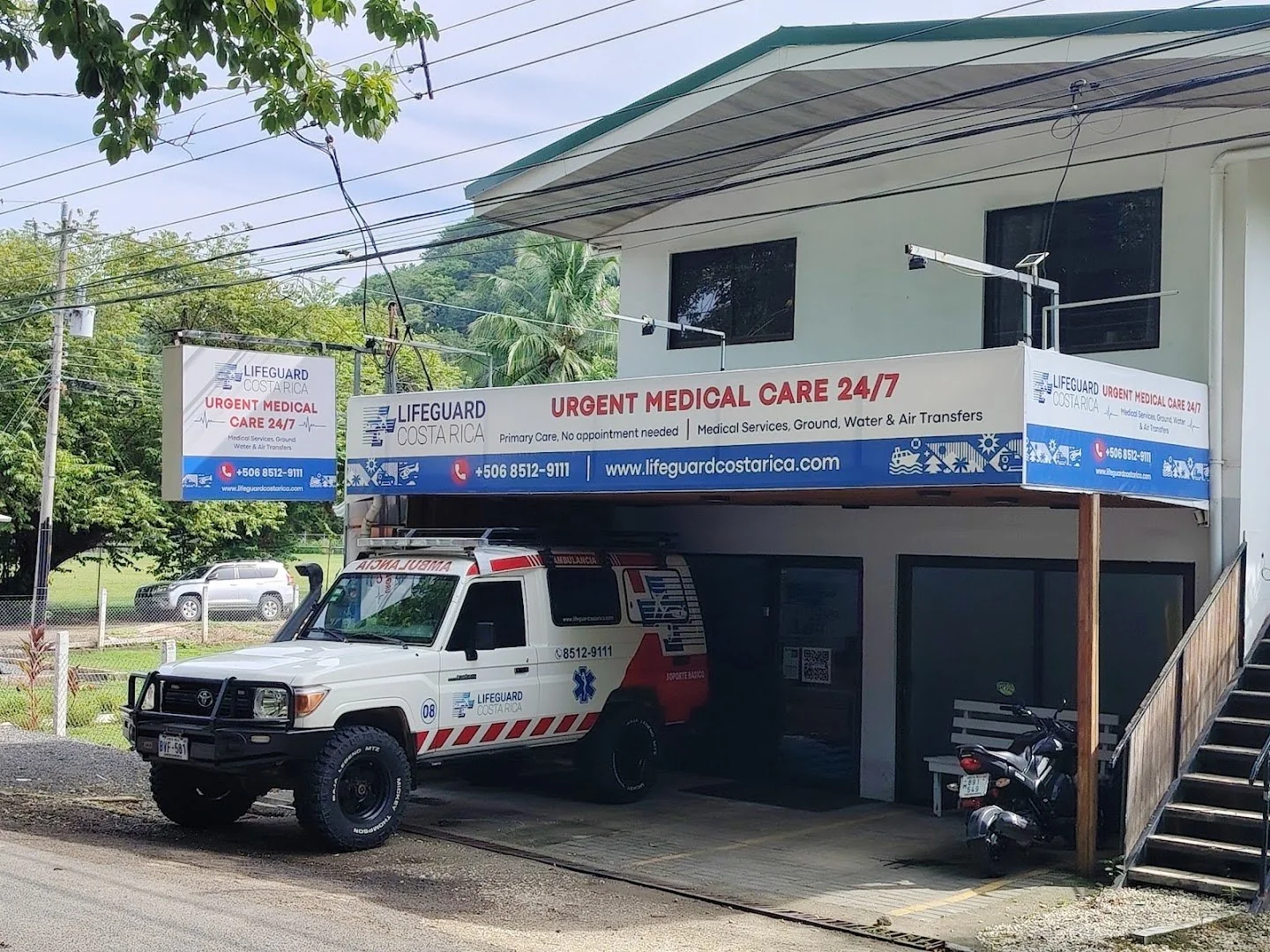
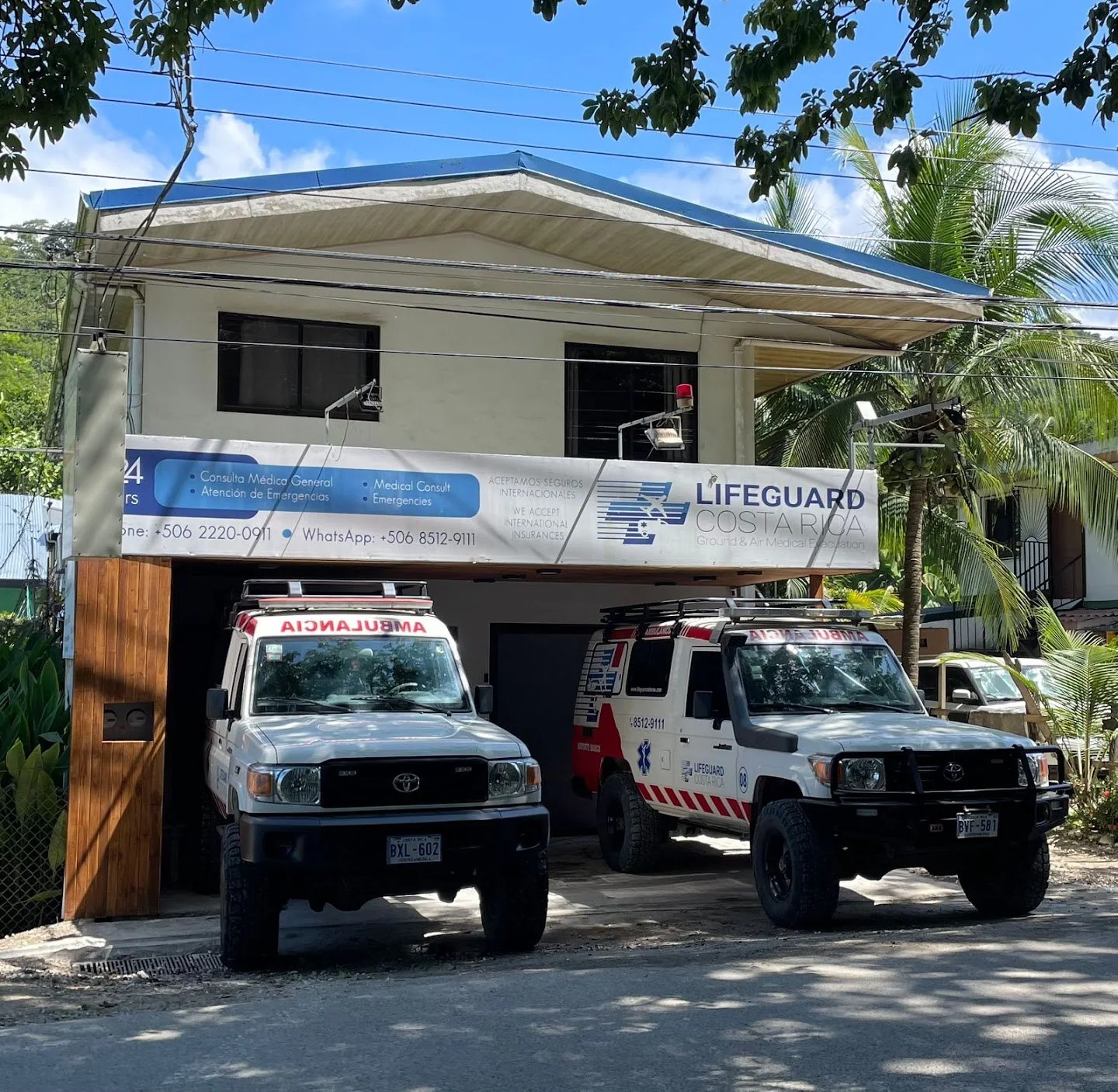
Santa Teresa Urgent Care's own website identifies Santa Teresa, Puntarenas, and describes consultations and ambulance dispatch. It distinguishes regular service from an on-call arrangement. That distinction matters: an advertised after-hours contact does not necessarily mean the same staffing or access process as a daytime walk-in. Ask how the service is activated and where you should go. We do not reproduce response-time promises or assume that a dispatch service guarantees an ambulance at your accommodation within a particular interval.
Similar names can also hide inconsistent information. During our October 2026 source check, another Santa Teresa Medical Center services page displayed different telephone numbers in different parts of the page. Rather than combine those numbers into an unreliable directory, use one provider's current confirmed channel and request a location pin from the person arranging your visit. Save that confirmation. If the clinic name, province or address changes between messages, resolve the mismatch before making a routine payment or traveling there.
Make the first message useful without diagnosing yourself
For a routine appointment request, give your name, the patient's age, the reason for seeking a consultation in plain language, when the issue began and where you are staying. Ask whether the clinic can see you and whether it recommends a different service. Explain any communication or mobility needs at this stage. You do not need to invent a diagnosis to sound precise. Describing what happened and what help you are seeking lets the professional ask the next relevant questions.
A practical message might read: I am staying in Santa Teresa de Cóbano and need a consultation today for an adult. I can describe the issue by phone. Can your clinician assess this, and should I come to the clinic or contact another service? Please confirm your location and the appointment process. This is an illustrative booking message, not an emergency script. If the situation is an emergency, use 9-1-1 and follow the operator's instructions instead of waiting for a chat reply.
Keep sensitive information within the clinic's confirmed communication channel. A hotel receptionist may help identify a provider or arrange a car, but usually does not need your full medical history, test results or passport image. Ask the clinic how to submit documents securely and send only what is needed for the stated purpose. If someone is helping translate, make clear which information you consent to share. Convenience should not require broadcasting a private health concern through several unrelated group chats.
Prepare one small information pack
Bring identification, your insurance information if relevant, and the medical information needed for the consultation. The CDC recommends having a record of medicines, allergies and chronic conditions available when traveling, preferably in the destination's language. Keep your list legible and current. Use the names printed on medicine packaging, and bring the packaging or a clear photo when useful. Do not replace a medicine name with a vague description such as the small white tablet; several products can look alike.
A simple timeline can be more useful than a long story told from memory. Note when the concern began, any earlier consultation and any instructions already received. Bring relevant existing documents rather than assuming clinics share your record. For a child, keep the responsible adult's contact details and the child's information together. For a companion who cannot comfortably explain their history, ask how the clinician wants assistance provided. The purpose is clear communication, not attempting to decide which details are medically important on your own.
Keep a copy of the clinic's confirmed address and your accommodation details accessible without data. The mobile data guide helps with ordinary connection planning, but do not make access to essential information depend on a live app. Store a short written version of your location, including the property name and entry instructions. This is especially useful when a rental villa has no obvious street sign or the map pin points to the main road rather than the door where you are staying.
Ask about payment without delaying urgent care
For non-emergency care, request the consultation fee and ask what it includes. Tests, medication, procedures, a house call, an after-hours visit and transport may be billed separately. A price for seeing a clinician is not automatically a total for everything that follows. Ask how additional charges will be explained and approved when appropriate. You can request an estimate for the planned service while recognizing that an examination may identify different needs. The clinician should determine the care, not a budget calculation in a travel guide.
Insurance acceptance needs a specific answer. Ask whether the provider bills your insurer directly, requires payment followed by reimbursement, or needs an authorization number. Then confirm the process with your insurer using the contact details on your policy. A clinic's statement that it accepts major insurance plans does not establish coverage for your particular contract or visit. The CDC advises travelers to understand overseas coverage and plan for medical expenses. Keep the policy reference and any case number with the documents for the appointment.
For a routine payment, ask which methods are accepted and whether you will receive an itemized invoice. The cash and ATM guide can help with ordinary payment logistics, but collecting cash should not become a reason to postpone emergency assistance. Keep receipts, payment confirmations and the name of the entity issuing the bill. These records help you match the provider's charges with the insurer's requirements later. Do not send card details through an unverified message merely because it uses a familiar clinic name.
Match the journey to the patient's needs
Ask the clinical team what type of transport is appropriate if the person is unwell or injured. A taxi, an ordinary car and an ambulance serve different purposes. Do not assume that the closest vehicle is suitable, or that a friend can safely drive while needing care themselves. For an emergency, let 9-1-1 guide the response. For a routine visit, arrange a vehicle and pickup point that the patient can use comfortably, with space for a companion or mobility equipment when necessary.
If you stay above the main road, tell the provider or driver about the actual approach to the property. The hillside accommodation access guide explains why a map pin alone may not describe the driveway. Gates, steep sections and an unclear meeting point can complicate an otherwise straightforward appointment. Have the property contact available to explain access. The non-driver transport guide can help with ordinary local arrangements, but Bimba is not medical transport and should not be used to move an injured or unwell person.
A house call can change the logistics, but it does not mean every examination, test or treatment can be provided at the accommodation. Ask which service is being sent, what the clinician needs to access the property and what happens if further care is recommended. Avoid treating a hotel visit as a guarantee that you will not need to leave. If the professional recommends transfer, ask them to explain the receiving destination, the transport arrangement and which records should accompany you.
Leave with the next step in writing
Before leaving, ask the clinician to write down the plan in language you understand. Confirm any follow-up appointment, how results will be communicated and whom to contact if you have questions about the instructions. If the consultation affects surfing, diving, driving or onward travel, ask the clinician directly about your intended activity. Do not substitute a tour operator's cancellation policy for medical guidance. An activity can remain available to book while being inappropriate for your current situation.
If tests are involved, know who will review the results and how you will receive that review. A file arriving in your inbox is not the same as a clinician explaining its meaning. Tell the clinic if you will leave Santa Teresa before the expected follow-up and agree on a workable contact method. Ask for the documents needed by your next treating professional, including relevant results and a consultation summary. Keep them separate from routine travel receipts so they are easy to locate later.
Families may also need to rearrange supervision, meals and transport while one person attends an appointment. The family travel guide can help you reorganize the ordinary parts of the day without involving the patient in every decision. Choose one companion to coordinate practical messages when possible. A clear location, a concise information pack, a confirmed payment process and a written follow-up plan reduce avoidable confusion around care. None replaces the judgment of the professional who assesses the patient.
Keep the care pathway clear
For routine care, gather the documents and confirm the provider before traveling. For an emergency, use 9-1-1 without waiting for booking messages or ordinary insurance administration.