

Choosing an e-bike or a standing scooter in Santa Teresa starts with a simple question: which one feels comfortable for the trip you want to make? Both can help with short local journeys. The difference you will notice first is how you sit or stand, start moving and come to a stop.
Which ride feels right for you?
Choose a route you can ride comfortably, with little to carry and a suitable place to finish. Your familiarity with the vehicle matters more than its appearance. A calm first check gives you a chance to find the controls and make sure the fit feels right.
For a short daytime journey with little to carry, compare the two Bimba options below. For airport bags, another passenger or a route you cannot comfortably assess, start with the full transport comparison instead.
E-bike or scooter: the differences you will notice
| Decision | E-bike | Standing e-scooter |
|---|---|---|
| Riding position | Seated, with pedals | Standing, with both feet on the deck |
| Familiarity | Useful if you already cycle confidently | Requires confidence balancing and braking while standing |
| Small belongings | Check the fitted basket and its stated limit | Do not hang bags from the handlebar |
| Uneven surface | Inspect the actual wheels and route; do not assume off-road capability | Be particularly conservative around holes, loose gravel and changes of level |
| Best first test | Low-speed start, controlled stop, turning | Controlled start, braking and stable foot position |
| Reason to choose another mode | The route or load exceeds your comfort or the service rules | The same; compact size does not remove these constraints |
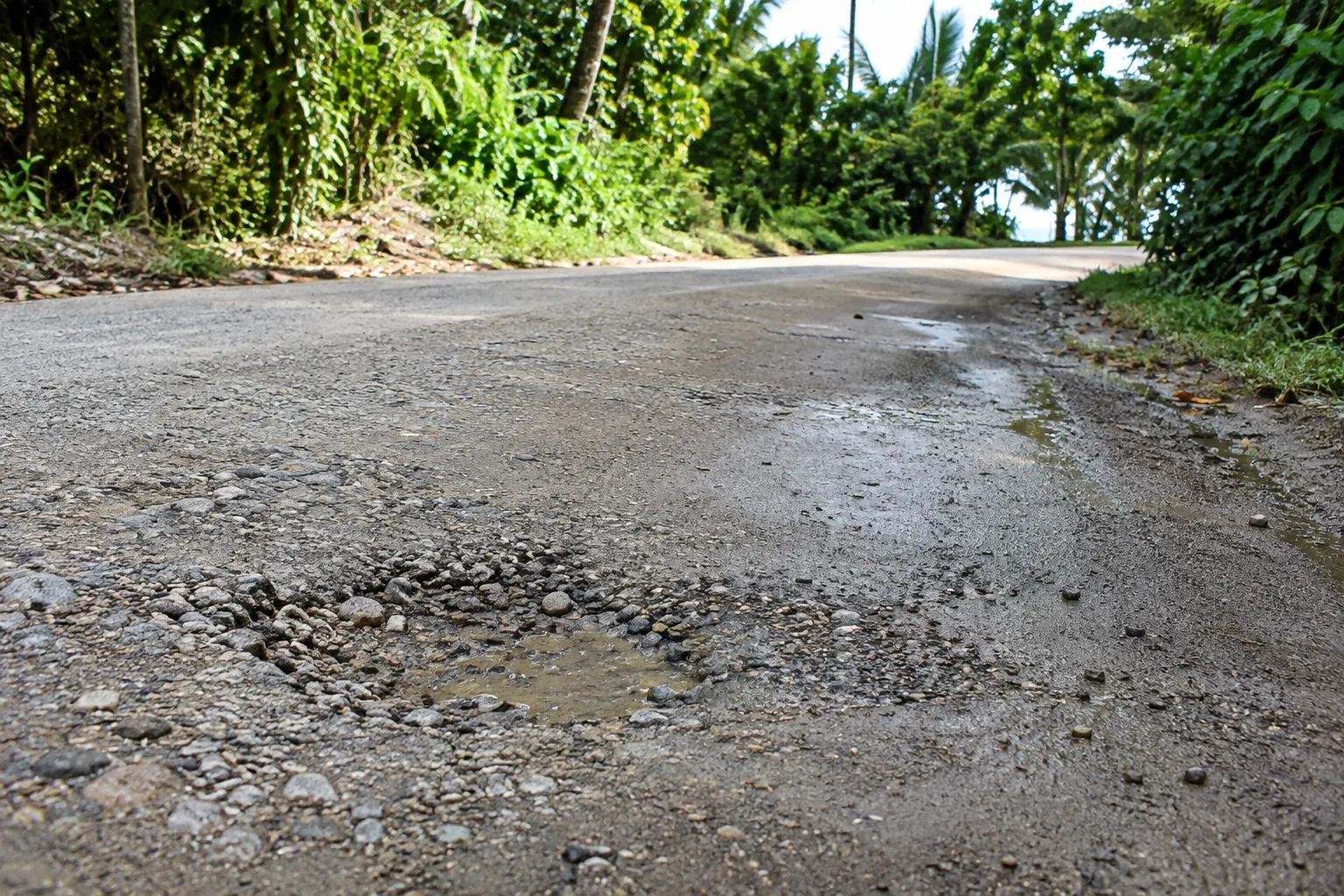
Get comfortable with the controls
Stand beside the vehicle and find the controls before starting. On the e-bike, check that the saddle position works for you and that you can mount and dismount comfortably. On the scooter, learn the starting procedure and find a stable foot position.
Check tires, brakes, lights and visible condition. If something seems wrong, choose another vehicle and report it. In a suitable clear area, practise a gentle start, a controlled stop and a turn before entering traffic. You should feel in control of the vehicle rather than still working out how it responds.
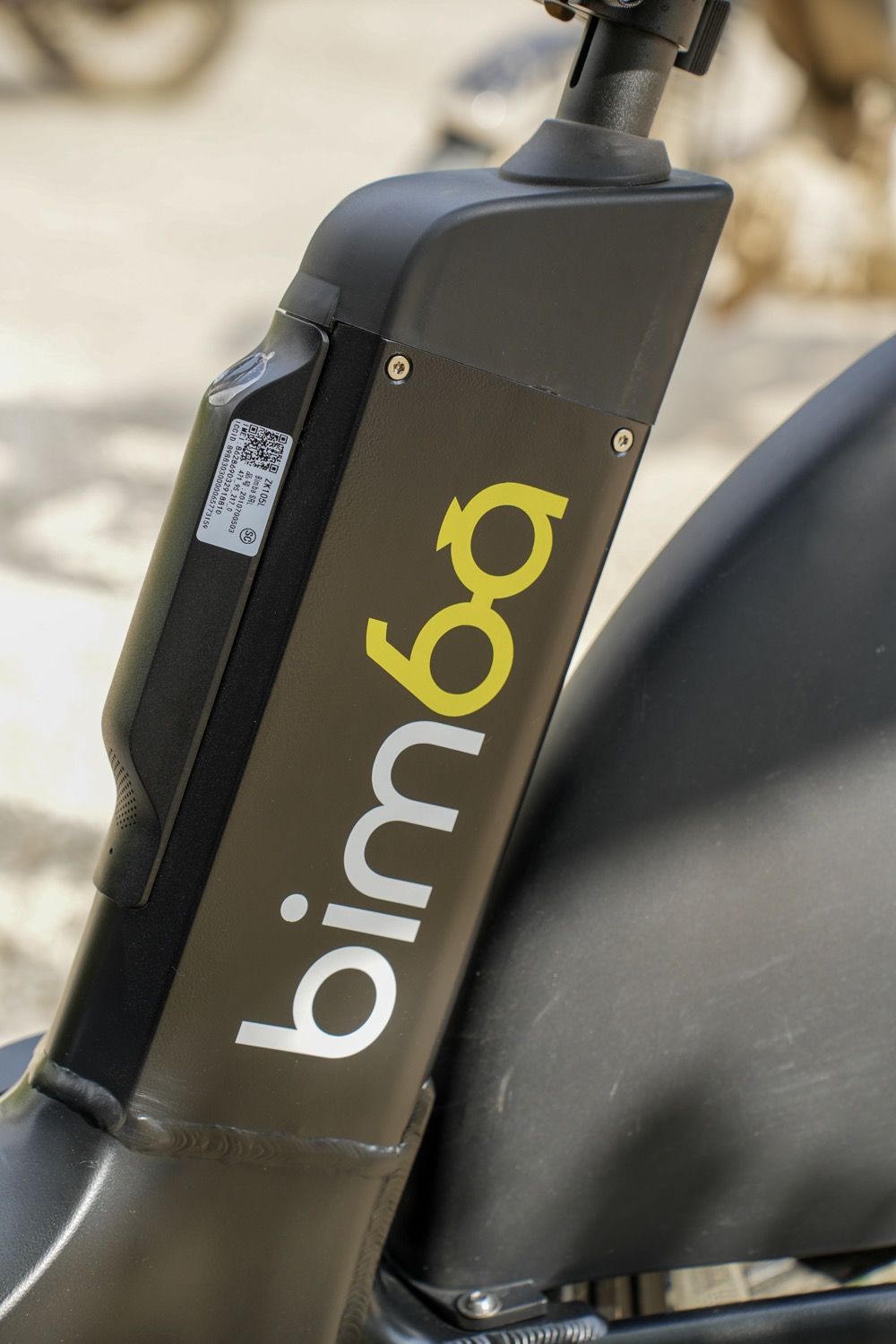
Choose where to finish and how to get home
Locate the approved return point before starting. A restaurant entrance, hotel courtyard or beach access may be a destination without being a valid place to end a shared ride. The Bimba locations guide explains the network; the live app determines current availability.
Also consider the return journey. If you plan to stay until after dark or drink alcohol, choose a different way home. A one-way shared ride can be part of a mixed transport day, provided you can end it correctly before continuing on foot or by taxi.
Choose the payment option for your day
Use the current Bimba pricing page and the price displayed in your account. Count every paid minute and unlock you expect to need, rather than treating a pass as unlimited possession of a vehicle. A pass buys riding time; it does not keep one vehicle waiting for you between trips.
For example, a day with one short outward trip and a separately booked evening return should be priced differently from a day with several local errands. The vehicle that looks cheapest per minute may be the wrong choice if it leaves you with an unsuitable last stretch.
A coffee stop and a beach afternoon: two different decisions
Imagine heading out for coffee with your phone, water and a small bag. If the route suits a shared ride and there is an approved return point nearby, you can choose the vehicle you feel most confident using. You do not need to choose by appearance or guess which one is faster.
Now imagine the same outing with a surfboard, a passenger or a heavy shopping bag. That changes the transport decision. Arrange a vehicle suited to the load instead of trying to make the original choice work.
The return matters too. You might ride out in daylight, end the trip near your stop and take a taxi home after dinner. Choosing an e-bike or scooter for one part of your day does not mean committing to it for every journey.
For the next part of your plan, see our bike share versus daily rental and standing scooters versus Honda Navi rentals.
Check the whole route before comparing vehicles
Start with a map of the trip you actually intend to make, including the way back. Note the starting point, the permitted finish, the time of day and every place you expect to stop. A route that looks short on a map may include an unfamiliar surface, a steep section or a busy crossing. Those details can matter more than the distance. If you cannot assess a section, walk it first, ask someone who knows the route or use transport that does not depend on riding it yourself.
Do not assume that a road is suitable because another person has ridden it. Conditions can change with rain, maintenance, traffic and light. Recheck the route on the day you travel. On a shared vehicle, you also need to know whether a legal and practical end point is available. If the nearest approved return point leaves a difficult final walk, include that walk in the decision. A convenient ride to the wrong place is not a convenient trip.
What the riding position changes
An e-bike supports a seated position and lets a rider who is used to cycling draw on familiar habits: looking ahead, steering through a turn, pedaling and stopping. Familiarity is an advantage only if the particular bicycle fits. Before unlocking, consider whether you can reach the controls, place yourself comfortably and get off without rushing. Test the brakes in a suitable area at low speed. A bicycle that feels awkward while stationary is unlikely to become a reassuring choice on an unfamiliar road.
A standing scooter puts both feet on a deck and asks you to manage balance, steering and braking from that position. Some experienced riders enjoy its compact feel for a very small trip. Others find that even a slight change of surface makes the stance tiring. There is no universal winner. The best comparison is a calm, legal test in a suitable place, followed by an honest answer to whether you can stay in control throughout the intended route. Do not use traffic as your practice area.
Make a different plan when conditions change
Weather is a transport decision, not just a packing detail. Rain can reduce visibility and change how a surface feels under a wheel. After a shower, a section that was easy earlier may be wet, muddy or harder to judge. The conservative choice may be to wait, walk a safe short stretch or arrange a taxi. Your preference for a bicycle or scooter on a dry morning does not commit you to the same answer later that day.
Think about daylight in the same way. An evening return adds the challenge of seeing road defects and being seen by others. Check the current service rules, lighting and your route; do not rely on a general claim that one vehicle is always safer at night. If you expect dinner, drinks or a late finish, decide on the return transport before you leave. Never ride after drinking. Ending a shared trip properly and going back by taxi is a sensible plan.
Match the vehicle to what you carry
List what will travel with you before deciding. A phone, water and a small personal item are different from a suitcase, groceries or beach equipment. If the e-bike has a basket, check its actual presence and permitted load. Secure small items so they cannot shift into the steering or a wheel. On a standing scooter, avoid hanging bags from the handlebar; changing the balance or restricting steering makes an already unfamiliar ride harder to manage.
Neither shared option is a passenger vehicle. Do not try to carry a friend or child, or improvise a way to transport a surfboard. The right response to extra people or bulky equipment is a suitable vehicle, delivery arrangement or separate trip. This also applies to a return journey after shopping: your outbound load may be light while your inbound load is not. Decide for the heavier leg, or plan a different way back.
A practical first-ride sequence
- Open the app and confirm that the vehicle, approved parking area and price are available for the trip you have planned.
- Inspect visible condition, including tires, brakes and lights. Report a defect and choose another vehicle if anything concerns you.
- Check fit and controls while stationary. Put away your phone before moving.
- Use a suitable open area for a gentle start, controlled stop and slow turn. Stop if the vehicle does not respond as expected.
- Ride only on a route you can assess and follow the current local rules and service instructions.
- Finish at an approved point, check the app confirms the trip has ended and leave pedestrian access clear.
This sequence is deliberately unhurried. It is easier to change your mind before a trip than to discover halfway through that the stance, surface or return point does not work for you. If the trial feels uncertain, use another transport mode. A short ride is worthwhile only when the complete journey makes sense.
Compare total trip cost instead of one headline price
Prices and passes can change, so use the current app and pricing page rather than an old screenshot or an estimated per-minute rate. Make a simple list: unlocks, expected riding minutes, any pass conditions, and the separate cost of the return if you will not use a shared vehicle. Add some time for a cautious route and proper parking. Avoid assuming that the vehicle will remain reserved while you eat, shop or visit the beach.
Consider two travelers making the same outward ride. One finishes near a permitted point and walks a short safe distance to a café. The other needs a taxi after dinner and has luggage to collect. Their useful transport costs differ even if both rode the same minutes initially. A choice that appears inexpensive in isolation may cost more or create inconvenience across the day. Compare the complete plan, then choose the option that is comfortable and workable.
A simple decision for common Santa Teresa plans
For a daylight coffee stop with little to carry, inspect both vehicles and choose the one you already know how to control. For a beach visit, verify the permitted return point and think through footwear, valuables and the walk from parking to the beach. For several errands, compare the cost and practicality of separate shared rides with a daily rental or taxi. For a trip with a child, a passenger, luggage or a surfboard, use transport designed for that load. These examples are decision patterns, not claims that every road or beach access is suitable.
If you are visiting for several days, your answer can change from day to day. A bicycle may feel better on one familiar route; a scooter may feel better on a short, smooth, familiar route; and neither may fit a rainy or heavily loaded outing. Use the vehicle for a particular journey rather than treating one choice as your transport identity for the whole holiday. Your confidence, the route and a valid way to finish remain the deciding factors.
Frequently asked questions
Is the e-bike always easier?
No. Familiarity helps, but rider fit, condition and route still matter. If you cycle often, an e-bike may feel more familiar. If you are confident on a standing scooter, that may suit you better.
Can I take a passenger or carry a surfboard?
Do not plan either on a Bimba. Use the current riding instructions and arrange a separate solution for a board or passenger.
What should I do if neither feels right?
Leave the vehicle parked and choose another mode. The right ride is one you feel comfortable using.
Summary
The right choice between an e-bike and an e-scooter in Santa Teresa starts with the vehicle you can control comfortably. Check the fit, the route and where you will finish before unlocking. You can choose a different transport option for the next journey if the conditions or your plans change.
The practical choice
Use an e-bike for longer rides, uneven sections and a more planted feel. Choose an e-scooter only when your route is short, familiar and comfortably rideable for you.