

Grocery delivery can save you a carrying trip, while shopping in person lets you choose produce and see alternatives. In Santa Teresa, the better option depends on your address, kitchen and basket. Compare the whole errand—not just the delivery fee.
Compare delivery with the whole shopping trip
A grocery trip includes travel, selection, checkout and carrying everything home. Delivery can remove some of those steps, but it introduces others: availability, substitutions, a delivery window and handover instructions.
The right choice can change during the same stay. A large arrival shop may suit delivery or a vehicle with luggage space, while a few fresh items later may suit a short walk.
Use this comparison
| Need | Shopping yourself | Delivery |
|---|---|---|
| Inspect fresh items | You choose directly | Specify preferences and substitution rules |
| Heavy load | Arrange suitable transport | Confirm handling and access to the entrance |
| Small urgent purchase | Can be efficient if a shop is nearby | Minimum order or timing may make it less useful |
| Difficult accommodation access | You carry the final section | Confirm whether the driver reaches the door |
| Dietary specificity | Read labels yourself | Provide exact products and reject unsuitable substitutions |
| Uncertain arrival time | Shop after check-in | Avoid a delivery window you may miss |
Check delivery to your accommodation
Contact the shop or delivery provider with your exact address. Ask about the delivery area, minimum order, available window and payment methods before building the basket.
Send a clear pin and entrance description. A property name alone may not identify the gate, reception or unit. If the road requires a particular vehicle or a final walk, discuss it before the order is accepted.
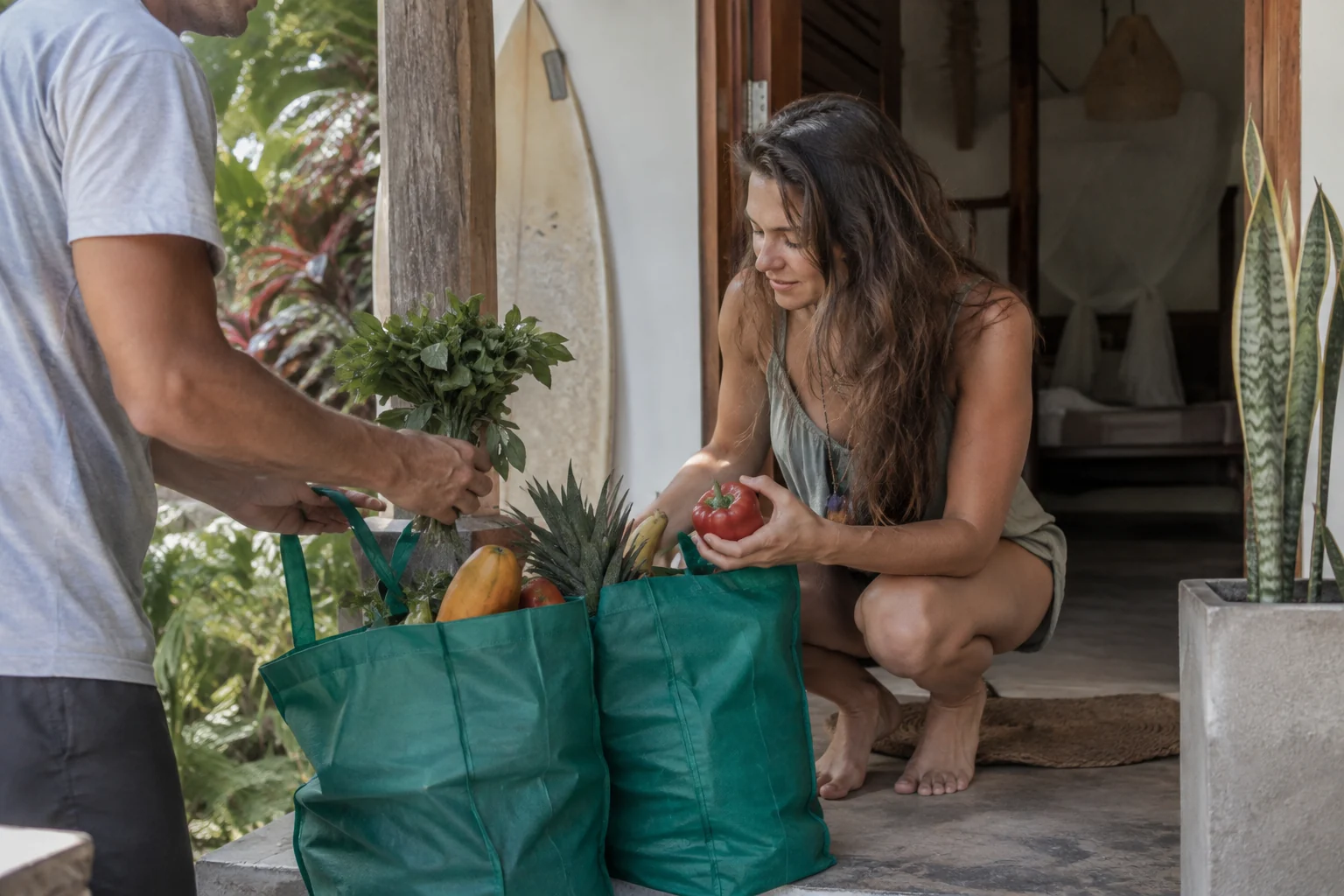
Tell the shopper which swaps work for you
Give quantities and product sizes rather than a vague list. For essential dietary products, say whether a substitute is acceptable. Ask how the provider seeks approval and what happens if you cannot respond during preparation.
Separate “must have” items from optional ones. That makes it easier to decide whether an order still works if something is unavailable. Check the final receipt against the confirmed order when it arrives.
Include the complete cost
Compare groceries, delivery, service charges and any transport you would otherwise pay for. Also consider waste: a bulk order can be poor value if your accommodation lacks storage or the stay is short.
Use a small first order when you have not yet inspected the kitchen. Once you know the equipment and your actual meal routine, a larger shop can be planned more accurately. See the accommodation guide for how location affects ordinary errands.
If you shop in person, choose transport after sizing the load
A few light items are different from drinks, cleaning supplies and several days of food. Do not assume a bicycle basket or scooter can carry whatever you buy. Keep any load within the vehicle's stated limits and secure it without affecting control.
For a suitable local shared ride, inspect Bimba's return points. For bulky shopping, choose another arrangement through the transport guide. A vehicle choice made before the shopping list may be the wrong one afterward.
Make your substitution preferences simple
For each important item, choose one of three instructions: the named product only, a suitable alternative within a stated limit, or omit it if unavailable. This gives the shopper a clear decision instead of leaving you with an unexpected replacement.
Be especially specific about ingredients you need to avoid. A similar-looking product may not meet the same dietary requirement. If you need to approve changes, be reachable during the order window.
Check where delivery ends: reception, the property entrance or your actual unit. Then make sure someone can receive and store the order. The convenience comes from solving the whole journey, including the final few steps into the kitchen.
For the next part of your plan, see our planning a supermarket visit and self-catering with shared ingredients.
Frequently asked questions
Which supermarket offers delivery today?
Contact the shop with your accommodation address and preferred delivery time. Service areas and slots can change, so confirm the order before relying on it for a meal.
Should I schedule groceries before check-in?
Only if someone can receive them and storage is agreed. Otherwise, a small first-night plan is simpler.
Is delivery always more expensive?
Not necessarily after transport and time are considered. Compare the complete basket and service, not the fee alone.
Summary
Choose grocery delivery when the order, delivery area and timing suit your accommodation; shop in person when choosing the items yourself matters more. Compare the full basket and the cost of getting it home. Clear substitution instructions make delivery easier, while a manageable shopping list makes an in-person trip simpler.
Use delivery selectively
Choose delivery for a known basket, heavy items or a difficult travel day. Shop in person when you need fresh substitutions, small quantities or want to compare actual stock.