
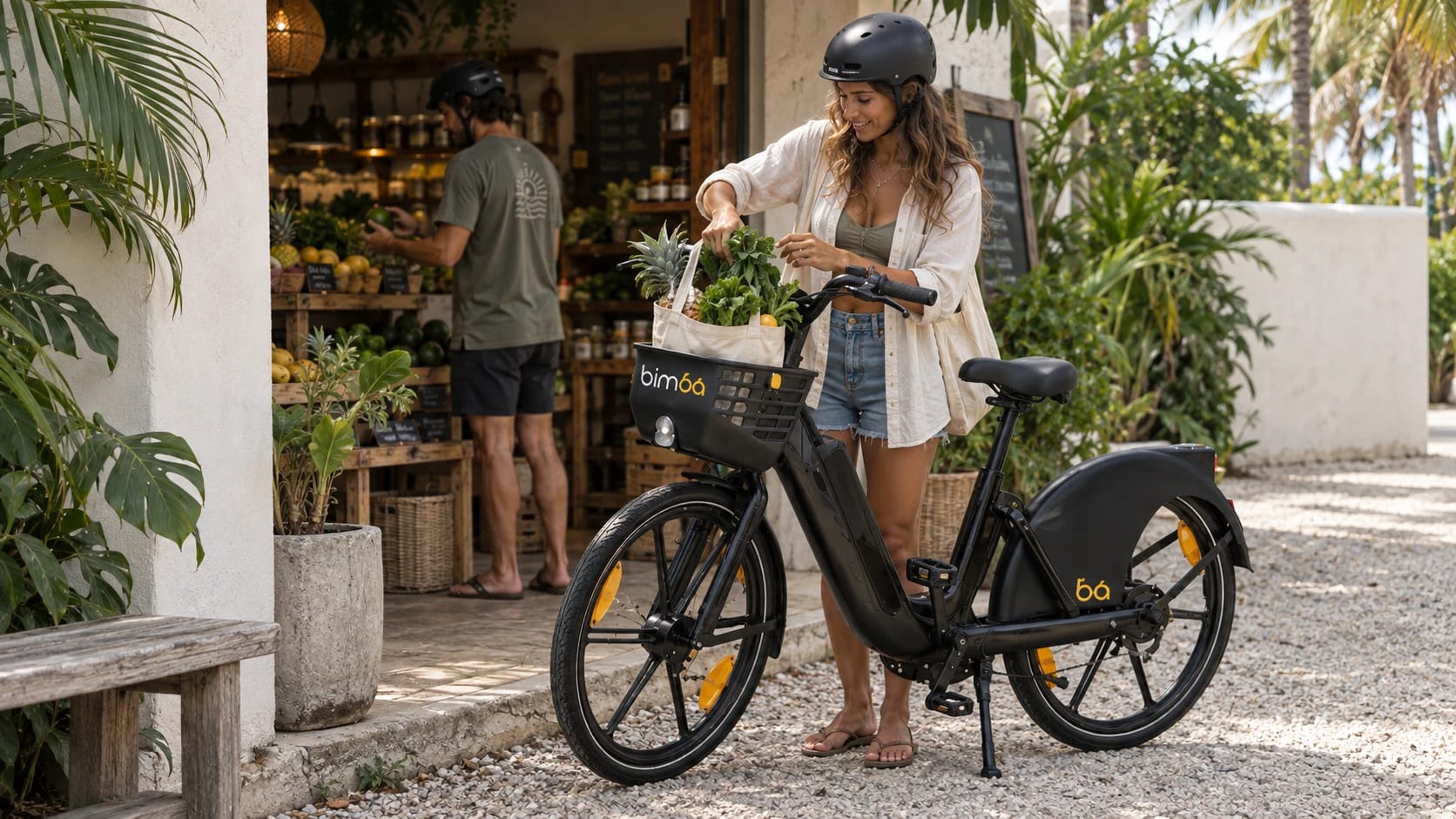
The most useful first grocery shop in Santa Teresa is usually a small one. Check what your kitchen can handle, buy for the next couple of meals and learn what you actually use. You can stock up later without spending your first afternoon carrying food you cannot store or cook.
Check your kitchen before shopping
Before buying groceries, check the accommodation's fridge space, cooking equipment, drinking-water arrangement and shared-kitchen rules. A room with a kettle is different from a kitchen where you can cook several meals.
Make a list of the next one or two days rather than purchasing for the entire stay immediately. If you later find that you eat out more often, you will have fewer unused ingredients and less storage pressure.
Choose the supermarket branch you need
Super Ronny's is a name you will encounter in local directories. Branch numbering and map descriptions should be checked rather than treated as interchangeable. A Banco LAFISE location listing identifies a Super Ronny's point in Santa Teresa, but a banking-service listing is not a current grocery price list or a promise of stock.
Ask your accommodation for the nearest practical supermarket entrance and verify the pin. “Near the supermarket” is not a precise address for a transfer or delivery. The Playa Carmen guide can help orient the southern part of your stay.
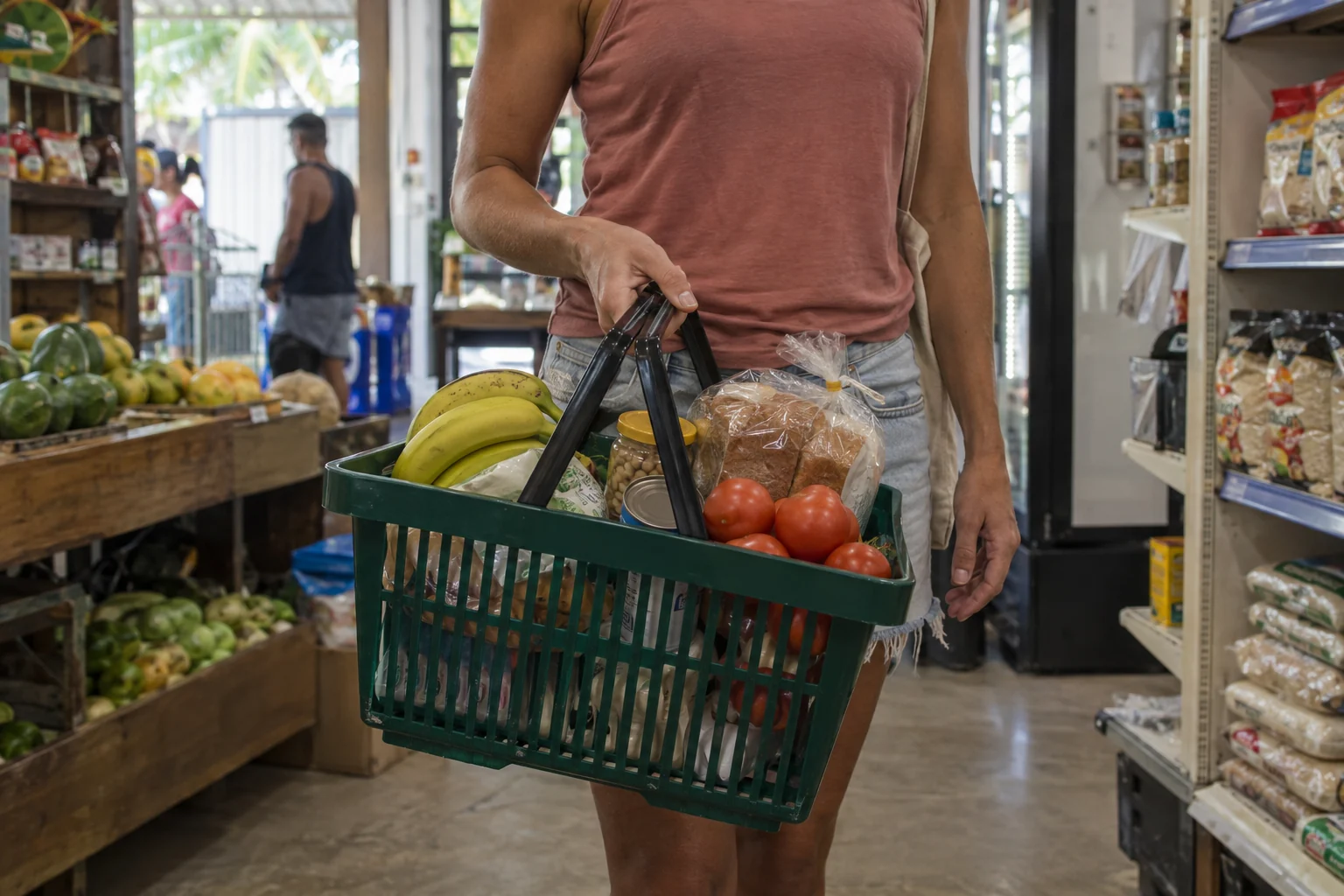
Build a small first basket
| Need | Buy after checking | Avoid on the first run |
|---|---|---|
| Breakfast | Ingredients you can prepare with the available equipment | Large packs for a short stay |
| Simple lunch | A small set of ingredients that work together | Several sauces used only once |
| Snacks | Enough for the next outing | Buying more because you have not planned meals |
| Drinks | What you can carry and store | Heavy bulk purchases without transport |
| Kitchen basics | Missing essentials only | Duplicating supplies the accommodation provides |
| Personal items | Specific replacements you need | Treating the grocery run as a large shopping trip |
Compare the same shopping list
If you are deciding between shops, compare the same items, sizes and quantities. One low-priced item may be offset by higher prices on the rest of your list. Note substitutions and unit sizes so the comparison remains meaningful.
Transport belongs in the calculation. A shop with a slightly lower basket price may be poor value if you need an additional round trip. For small purchases, convenience and carrying distance can be more useful than a theoretical town-wide price ranking.
Plan the return before buying heavy items
If you use a shared bike, keep the load appropriate to the actual basket and the manufacturer's or operator's stated limit. Secure belongings so nothing interferes with steering or moving parts. Do not hang grocery bags from a standing scooter's handlebar.
For a large purchase, ask about delivery or arrange transport that can accommodate it. Do not assume a shop offers delivery because another traveler once used a third-party service. Confirm the complete charge, destination and timing directly.
Combine nearby errands
A supermarket visit can be combined with another nearby errand if the walking route makes sense. If using Bimba, check the approved return point and end the ride according to the app instructions before beginning a long shop. A store entrance is not automatically a permitted return point.
Keep a reusable bag and your list ready so the trip remains focused. Put refrigerated items away promptly when you return rather than adding an unrelated stop with perishables in the bag.
Build a basket around two breakfasts
Choose a breakfast you can prepare with the equipment you have, then buy enough for the next two mornings. Add drinks and any practical basics the accommodation does not provide. This gives you an easy start without committing to a week's groceries.
A kettle and small fridge call for a different basket from a full kitchen. Check storage space before buying large chilled items, and buy ingredients you can use in more than one meal.
Keep the first receipt. It helps you compare the next shop by the items you actually buy, rather than the price of one unusually cheap product. Once you know your routine, you can decide whether a larger shop or delivery would save time.
Supermarket names to use in your map search
Bimba’s local area map lists Super Costa Market and Supermarket Green World. These give you two specific names to locate before comparing your shopping route. Check each shop’s current hours and selection directly; a map entry does not provide a current grocery price list.
For the next part of your plan, see our grocery delivery comparison and meals for your kitchen setup.
For beach gear and other purchases, use the shopping guide.
Frequently asked questions
Which supermarket is cheapest?
Compare a small basket of the same products and sizes using current shelf prices. The best value for you also depends on the items you need and the trip home.
Can I buy everything on arrival night?
Only if the shop is open and the journey is manageable. For a late arrival, arrange a small first-night supply with your host or plan a nearby meal instead.
Summary
A useful supermarket trip begins with your kitchen and the next few meals. Check what you can store and cook, buy manageable quantities and plan the journey home before filling the basket. Comparing a small list of matching products is more helpful than choosing a shop from an old price claim.