
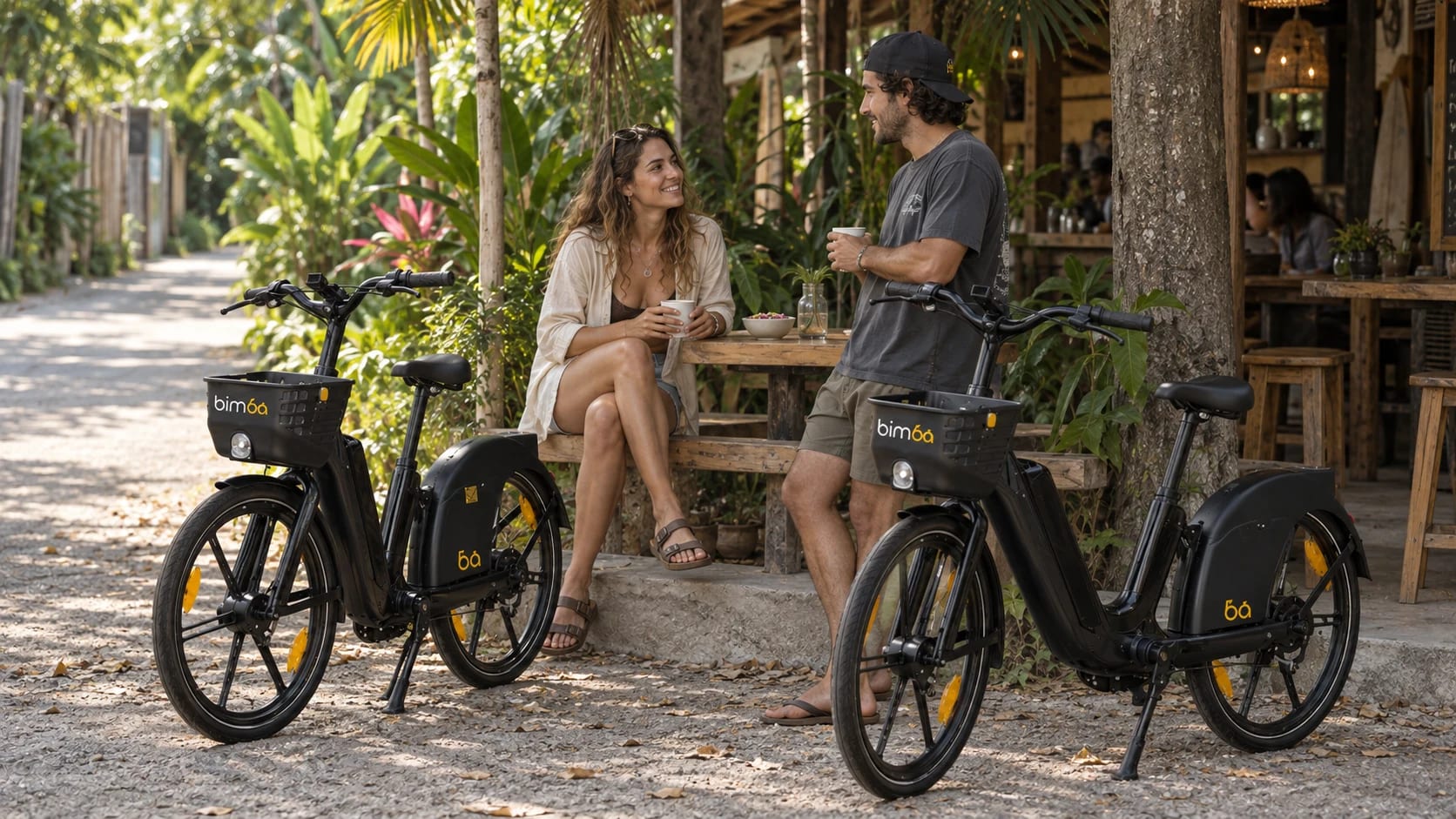
Couples and small groups can keep transport simple by planning the journeys they will actually share. You might travel together from the airport, make separate daytime trips and meet again for dinner. There is no need for one transport choice to cover everyone's entire holiday.
Start with a shared itinerary
Write down the journeys you will share, such as arrival, departure or dinner. Keep separate plans for daytime activities where people want more freedom.
The mistake is buying the same transport arrangement for everyone before discussing the actual day. A person who wants to stay near the accommodation should not need a vehicle simply because someone else plans several outings.
Match the arrangement to the situation
| Situation | Practical starting point |
|---|---|
| Two confident adult riders, short daytime outing | Check suitable separate vehicles and return points |
| Group with mixed confidence | Choose a plan everyone can use without pressure |
| Airport bags or several large items | Book a vehicle with confirmed luggage capacity |
| Dinner ending after dark | Arrange the return before the meal |
| Different daytime schedules | Allow independent journeys and agree on a later meeting |
| Time-critical appointment | Build in a fallback rather than relying on unreserved availability |
Do not confuse account features with pass coverage
An app may offer ways to manage more than one ride, but that does not mean every pass covers multiple riders. Check Bimba's current pricing and pass conditions before buying. Each person's eligibility and safe use still matter.
Check the riding rules for the current account workflow. Do not improvise by putting two people on one vehicle or assuming one person's setup removes requirements for another rider.

Plan where the whole group can finish
Before unlocking, inspect the destination area in the app. You need a workable endpoint for each ride, not merely a restaurant pin. The Bimba locations guide helps with orientation, while the app supplies current availability.
Agree on what happens if the group cannot find enough suitable vehicles. One traveler should not be left behind without a plan, and nobody should take an unsuitable vehicle just to preserve the original idea.
Set a clear meeting point
Share a precise pin and a recognizable entrance. A business name can be ambiguous when there are branches, similarly named venues or a separate beach entrance. Choose a time that allows everyone to arrive without rushing.
If people travel independently, decide whether the group waits before ordering or simply meets at the table. Small practical decisions prevent a relaxed outing from becoming a sequence of calls and wrong turns.
Compare group transfers fairly
When requesting a quote, include headcount, luggage, pickup address, destination and desired time. Ask whether the quote covers the whole group, whether the return is included and how changes are handled.
Divide the final total by the people actually paying, not the vehicle's maximum capacity. For a group dinner, a return transfer may be simpler than coordinating several separate rentals and their handovers. Use the transport overview to compare the available categories.
Leave room for people to change their minds
Agree that anyone can choose another mode if conditions or confidence change. A suitable plan at the accommodation may look different after seeing the road or weather. Reassessing together is better than having someone continue reluctantly.
Agree on the shared parts of the day
Choose the journeys where being together matters: arrival with luggage, a booked activity or a dinner reservation. For those, check the passenger count, luggage and pickup point as one booking.
For flexible daytime plans, let people choose the transport they are comfortable using. Two confident riders may enjoy independent trips, while another person prefers walking or a taxi. A shared meal gives everyone a simple place to reconnect.
When comparing costs, keep per-person and per-vehicle prices separate. Divide a group transfer only by the people actually using it; do not divide an individual pass between riders. This avoids a budget that looks attractive on paper but leaves someone without a suitable ride.
For the next part of your plan, see our golf carts versus individual e-bikes and booking dinner for a group.
Frequently asked questions
Can a couple share one bike?
Do not plan a shared Bimba that way. Use a separate suitable vehicle per rider or choose another mode.
Does buying several passes reserve several vehicles?
No. Price allowances and vehicle availability are separate questions.
What is the most reliable group habit?
Decide the return journey before the outward one. It clarifies whether the entire plan works.
Summary
A comfortable group transport plan accounts for every traveller, the luggage and the return journey. Compare the whole transfer quote with individual riding costs, then agree on meeting points if you split up. Check actual vehicle availability before making a shared-mobility plan that depends on everyone leaving together.
Match capacity to the full party
Count people, luggage and transfers before comparing price. Use independent local rides for flexible adults; reserve a suitable vehicle when the group must arrive together or carries more than it can safely handle.