

Travelling with friends does not always mean everyone needs the same transport. A golf cart may keep a group together, while individual e-bikes let confident riders make separate local trips. The better choice depends on your passengers, luggage, accommodation access and plans for the day.
Count people before comparing prices
Count the people and bags traveling together, then ask the cart provider to confirm the approved seating, restraints and luggage space. Compare the quote only once you know the vehicle fits the group and the route.
With individual bikes, count eligible and confident riders. A group containing children, non-riders or someone uncomfortable on the road needs a plan that works for them from the start. See the Bimba safety guidance before including shared vehicles in a group itinerary.
Compare the whole day
| Group need | A golf cart may help when… | Separate e-bikes may help when… |
|---|---|---|
| Staying together | Everyone can travel in the permitted seats | Everyone can ride independently and meet at an agreed point |
| Different schedules | Most journeys are shared | People want different short daytime outings |
| Belongings | The supplier confirms suitable secured storage | Each rider has only a small manageable load |
| Route | The operator permits the complete route | Each segment and endpoint suits the service |
| Cost | The full quote divides sensibly across travelers | Each rider's actual use justifies individual rides or passes |
| Availability | The booking is confirmed | Enough suitable vehicles and return places are available |
Get a complete cart quote
Buggy Blue advertises golf-cart rentals with different capacities and payment conditions. Use the listing as a starting point, then request a dated total for the exact cart. Ask about taxes, deposit, delivery, fuel or charging, and late return.
A roof adds shelter, but you still need to check which routes and conditions the provider permits. Ask about the roads the rental permits, passenger rules and any limitations affecting your accommodation. Confirm the actual road access with the provider, particularly for a hillside stay.

Calculate bikes per rider
For shared bikes, write down each person's intended use. Two people making four short trips each are a different case from four people who only need one ride. Consult current Bimba pass terms rather than assuming one pass covers the entire group.
Then include the journeys the bikes do not serve. If everyone needs an evening taxi, add that cost to both options where appropriate. A fair comparison includes the actual itinerary, not just the part that makes one product look inexpensive.
Make a plan everyone is comfortable with
Choose a meeting place before leaving. Share the exact destination pin and a fallback if someone cannot find a vehicle or is uncomfortable riding. People should not feel pressured to keep up or follow a route they would reject alone.
For shared rides, check return availability for the group before setting off. Arriving at the restaurant together is not enough if nobody has considered how to end the rides. The locations guide is the planning reference; the app supplies live status.
When a transfer is simpler
For a fixed group dinner, airport connection or outing with substantial belongings, ask for a suitable transfer quote. The ability to split a vehicle rental does not make self-driving necessary. A door-to-door service can remove the handover, parking and return tasks entirely.
Use the Santa Teresa transport guide to compare that option alongside rentals. The most practical plan may combine walking, individual daytime rides and a shared transfer.
Compare one shared day with separate plans
Suppose everyone wants to leave the accommodation, eat lunch and come home together. A suitable group vehicle can simplify that schedule, provided the provider confirms seating and road access. Check where bags will go as well as where people will sit.
Now suppose one person wants a café morning while another has a lesson. Independent transport may be more useful than sharing one vehicle that everyone needs at once. The cheapest group total can lose its appeal if it means repeated detours.
Write down the journeys you will genuinely share. Compare the cart quote with individual riding costs for those trips, then add any separate taxi or transfer you still need. This makes the comparison about your holiday rather than vehicle labels.
For the next part of your plan, see our transport for couples and groups and family travel planning.
A published cart quote to compare
Buggy Blue lists a four-passenger golf cart from US$100 per day in cash or US$113 by card, plus taxes, checked October 8, 2026. Split four ways, those base rates are US$25 or US$28.25 per person before extras.
For comparison, four individual US$15 Bimba Daily Passes total US$60, with 100 riding minutes each and the published pass conditions. That buys separate shared rides, not a cart retained for the group. Include any extra transfers and choose only an option that suits everyone’s ability and itinerary.
Start with every person, not the vehicle headline
Write down who is going on each leg of the day. An advertised four-seat cart does not mean four people plus bags, a child seat and a driver can all fit safely. Ask the rental company to confirm the exact vehicle, permitted occupancy, seat belts or other restraints, child rules and the space that remains for luggage. A roof provides some shelter, but it does not solve an unsuitable road, a lack of approved child accommodation or an overloaded vehicle. Check the route to your actual lodging, not just the main road.
For shared e-bikes, count riders who are adults, meet the current app requirements and already feel comfortable cycling. Bimba's safety guidance says riders must be 18 or older and that each bike is for one rider. A child or non-rider cannot simply be added to another person's bike. If only two people in a four-person group are eligible and keen to ride, the other two still need a way to travel. Include their transfer or walking plan before deciding that the bike option is cheaper.
Build a fair group-cost worksheet
Ask for the cart quote for the exact date and model. Buggy Blue currently lists a four-passenger cart from US$100 per day in cash or US$113 by card, plus tax. The starting rate is not a complete invoice. Confirm taxes, deposit, delivery, energy or fuel arrangements, equipment, protection and late-return charges. Divide the verified total only among people who will actually share that vehicle. A deposit may be refundable, but it can still occupy card capacity until released.
For bikes, price each person independently. Bimba publishes US$1 per unlock plus US$0.50 per billed minute, or an eligible US$15 daily pass with 100 riding minutes in a 24-hour window. Four separate eligible riders buying four passes would spend US$60 before any other transport, but a pass does not reserve four bikes or guarantee a common departure. Published pass terms say they do not apply to Group Rides unless the app explicitly confirms otherwise. Check how each person will pay and which option the app actually offers.
Now add the missing legs. If the group needs one taxi after dinner, include it in the bike plan. If a cart cannot reach the accommodation or a venue, include its transfer in the cart plan. If the cart must be returned before the final outing, do not value it as if it were available all evening. A per-person figure is useful only after these differences are visible. Compare the complete day and the number of people served, not two prices with different service windows.
Plan for a staggered group start
Shared bikes are available one at a time on the live map. A group should not buy passes first and assume enough charged, suitable bikes will appear at one location. Check the app close to departure, confirm each person's account and agree on a meeting point within the permitted riding area. An adult who is uneasy with the vehicle should be free to use another mode without delaying or pressuring the rest. Never turn a group ride into a race to stay together.
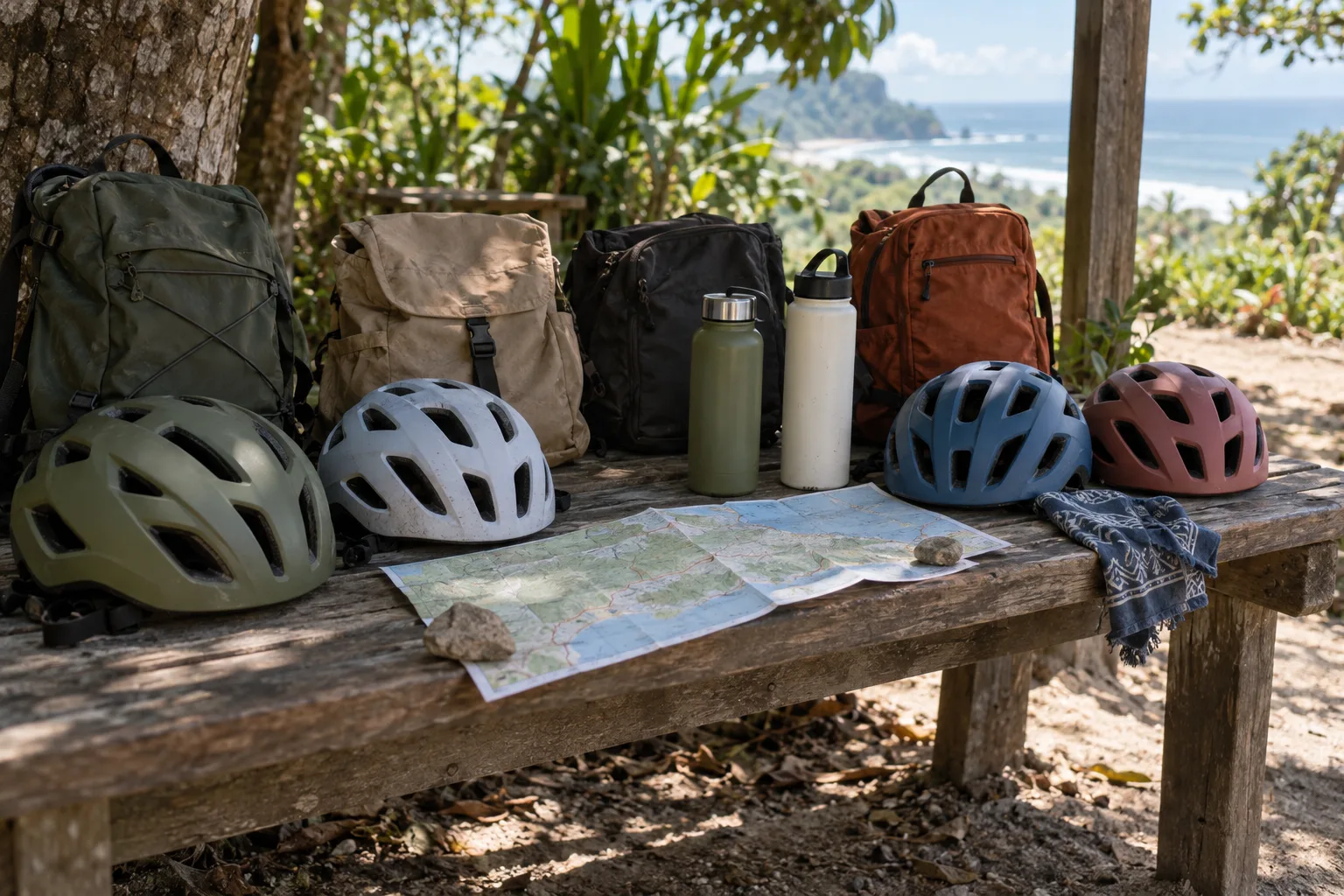
Choose a destination with approved return capacity for the bikes and tell everyone how to end the trip in the app. Share an exact meeting pin, a time range and a fallback if someone's vehicle is unavailable or their route feels unsuitable. The cart has a different coordination problem: everybody usually needs to agree on departure and return times, and the designated driver must be eligible and comfortable with the vehicle. Neither model is inherently simpler for every group.
Questions for the cart handover
Before signing, ask the supplier to demonstrate the controls, charging or fuel procedure, parking and security method. Confirm the approved route, weather restrictions, assistance number and what happens after a breakdown. Inspect visible condition with the provider and document any existing damage using the contract's procedure. Clarify who may drive and whether additional drivers must be named. Ask exactly when and where to return the cart and how the completed return is recorded.
Check the seating while the group is present. The people and bags need to fit without obstructing controls or falling out. A cart with a roof is not an enclosed car, and wet weather can still affect passengers and the road. If the supplier cannot confirm a safe arrangement for your children or luggage, ask for a different vehicle or a suitable transfer. Do not use the label family-friendly as a substitute for the actual vehicle rules and fit.
The route can rule out either option
Examine the complete route, including any hill to the lodging, a restaurant entrance and the final return. A short coastal trip is different from an unfamiliar steep or damaged access road. Ask the cart operator whether its specific vehicle is allowed on that route. For bikes, check each segment, approved parking and the ability of every rider to travel it comfortably. Do not infer that a cart can go anywhere because it has four wheels or that an e-bike can handle every hill because it has a motor.
Rain, darkness and heavier luggage may change the right answer mid-day. Agree in advance what conditions would lead the group to postpone the ride or use a taxi. If one person plans to drink alcohol, they should not drive or ride afterward. A split plan is often sensible: individual daylight errands, a walk near the accommodation and a group transfer at night. The transport choice should follow the actual schedule rather than forcing every leg onto one vehicle.
Two group itineraries, two different answers
Imagine four adults who all want to leave together, spend the afternoon at one venue and return at the same time. A suitable cart can be convenient if the rental company confirms seats, bags, route and the full quote. Four bike passes might have a lower published starting total, but the group still needs four eligible riders, four available vehicles, approved parking and a suitable return. Cost alone cannot resolve those conditions.
Now imagine four friends with different morning plans. Two want a nearby café, one has a lesson and one wants to rest. Keeping a single cart for everybody may create detours and waiting. Separate rides or walking can better match individual plans, with a shared transfer later if needed. Work out the journeys people will actually take together. If the planned day changes, recalculate instead of treating the earlier comparison as permanent.
A final decision checklist for the group
- Count passengers, eligible riders and the bags for the heaviest leg.
- Confirm cart seating and approved drivers with the rental company; confirm Bimba rider eligibility and live availability in the app.
- Map the complete route and valid parking or return point for each option.
- Compare full dated costs, including taxes, deposits, extra trips and returns.
- Agree on meeting points, a weather fallback and transport for anyone who will not ride.
When the group cannot answer one of these questions, postpone payment until it can. The best arrangement may use both modes on different parts of the holiday. A clear plan for every person is more useful than an attractive group rate that works only for the confident riders.
Frequently asked questions
Is a golf cart always better for families?
No. Confirm seating, restraints, the child's needs and the rental operator's requirements. Family suitability cannot be established from an open seat alone.
Can we reserve several Bimbas by buying passes?
A pass is not proof that several vehicles will be waiting together. Check the app and service rules before making a time-critical group plan.
Summary
For a group choosing between a golf cart and e-bikes, start with the people and the itinerary. Compare approved seating, each rider's comfort, luggage needs and the full group cost. Agree on whether you want to travel together or independently before paying for the option that fits.
Best setup for a group
Use e-bikes when adults want independent trips and can ride confidently. Choose a golf cart when group cohesion, cargo or passengers matter and the operator confirms legal capacity and road access.