
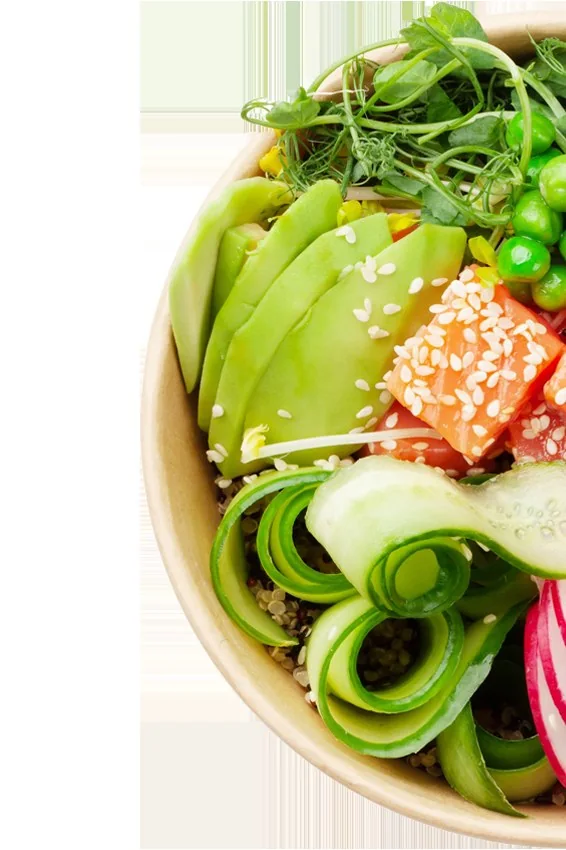
Bowl presented by Aroma Santa Teresa. Image source: View original photo.
Finding vegan food in Santa Teresa starts with the ingredients in the dish you want to eat. A bowl, salad or vegetarian breakfast may be easy to adapt, but sauces and toppings can change the answer. A short, specific question helps you order with confidence.
When these details were checked
Business websites and published listings were checked on October 8, 2026. Menus and access arrangements can change; the links beside each business show the basis for its inclusion. Where current prices or access could not be verified, the entry says so.
Five places to check for a plant-based meal
The first three businesses below explicitly publish a vegan dish or vegan options. The last two are places to ask about an adaptation; they are not confirmed vegan meals. This distinction matters when you need more than a vegetarian label.
| Place | Published evidence | What to ask |
|---|---|---|
| Aroma | A breakfast dish named Vegan Gallo Pinto | Which falafel or vegetable choice is available |
| La Pasión | Cauliflower steak with preserved lemon tahini marked vegan | The available side and any recipe changes |
| Ranchos Itaúna | The restaurant advertises vegan options | The specific dish available for your date |
| La Choza | A vegetarian casado, not a vegan claim | Whether stock, cooking fat and sides can be fully plant-based |
| Eat Street | A separate bowls menu | Whether a complete bowl can be made without animal ingredients |
Aroma’s named vegan breakfast is a clearer starting point than guessing from a general breakfast category. At La Pasión, the main dish is also a better meal comparison than the small cauliflower tapas. Ranchos Itaúna publishes a November-to-September restaurant season, so check the date before making an October plan. Its page also mentions cheese bread in the context of vegetarian and vegan options; ask which specific dish is vegan.
For La Choza or Eat Street, get a specific answer before choosing the venue for a vegan meal. If the kitchen cannot confirm the ingredients, use one of the explicitly advertised options instead. None of these entries means that the whole restaurant is vegan.
Check the ingredients in your chosen dish
A bowl with fruit or vegetables may still contain dairy, honey or another ingredient you avoid. A vegetarian dish may contain eggs or cheese. Restaurant descriptions are useful starting points, but the exact preparation matters more than the broad category.
Use the restaurant's current menu and ask about the dish you intend to order. If an allergy is involved, say so clearly and discuss cross-contact directly; a vegan label alone is not an allergy assurance.
Questions that make an order clearer
| Part of the meal | What to ask |
|---|---|
| Main ingredients | Does the dish contain meat, fish, dairy or eggs? |
| Sauce or dressing | What is in the sauce, and can it be served separately? |
| Cooking method | Which fat or stock is used? |
| Toppings | Are cheese, yogurt, honey or other additions included? |
| Substitution | Can the change be made, and does it affect price or portion? |
| Allergy concern | Can the kitchen meet the specific requirement? |
Choose a meal you will enjoy
Look for a dish that works without removing most of it. If a substitution takes away the main protein or several sides, ask what replaces them. A named vegan main is often easier to evaluate than a heavily modified plate.
For a broader area-based shortlist, see the café guide. Use the menu for the meal you plan to attend: a suitable breakfast does not establish the evening offering.
Use a short, specific message
Instead of asking whether a restaurant is “vegan-friendly,” name the meal and the ingredients you avoid. For example: “Can this bowl be prepared without dairy, eggs or honey? What sauce is included, and is there a replacement for the yogurt?”
If the answer is uncertain, select another dish or business. A confident guess from a travel article is less useful than a clear answer from the kitchen. Keep the confirmation available if you are booking for a group.
Plan around service hours
A venue may offer a suitable breakfast but a different evening menu. Check the kitchen period for your chosen dish. A late arrival can otherwise leave you with fewer options than the full online menu suggests.
If you are staying in a self-catering accommodation, keep a small backup meal available. Buy only what you can store and prepare. This is particularly useful after a long transfer or when a specific dietary request needs more time than a walk-in visit allows.
Choose a convenient place to eat
Choose an option near your existing plans when possible. If a daytime Bimba ride fits, use an approved endpoint and walk the final stretch. For an evening meal, arrange suitable return transport before going.
Build the order in four parts
Start with the base, such as rice, bread or another item on the menu. Then look at vegetables, the protein you want and the sauce or dressing. This makes it easier to spot which component needs a question or substitution.
For example, a salad may look suitable until you notice cheese in the topping or dairy in the dressing. Ask about the specific ingredient rather than whether the venue is generally “vegan-friendly.” Breakfast can need the same approach with eggs, butter, honey or milk.
Finally, check whether the order is the meal you want or a small side. Include any additions in the final price. You will get a clearer comparison between cafés and a more satisfying meal than by choosing from the name alone.
For the next part of your plan, see our Costa Rican menu terms and planning a visit to Ani’s.
Read the menu in layers, not by its headline
Start with a dish the business actually lists. A word such as “healthy,” “plant-based” or “vegetarian” gives you a lead, but it does not settle every ingredient in the serving that arrives at your table. Read the full description, including accompaniments and the choice of sauce. If the description is brief, ask the kitchen to walk through the components. A useful answer names the dish and explains what is omitted or replaced; “we have options” is still too broad to order from.
There are three different levels of evidence in the shortlist above. Aroma names its breakfast Vegan Gallo Pinto. La Pasión marks a particular cauliflower main with its vegan menu key. Ranchos Itaúna makes a restaurant-level claim about vegan options without identifying a reliable vegan dish in the material reviewed. Its page mentions Pão do Queijo alongside other options; because this is cheese bread, do not treat that example as vegan. Ask for the precise dish and recipe. La Choza and Eat Street are ideas for a conversation, not verified vegan orders. This distinction helps you avoid turning a broad website statement into a promise about your plate.
What to confirm at each place
At Aroma, ask whether the vegan gallo pinto is being served at the hour you plan to visit, and which of the listed falafel or vegetable choices is available. Its published breakfast page gives an opening window for the meal, but service hours can change. At La Pasión, name the cauliflower steak rather than simply requesting “something vegan.” Its menu lists a side choice; confirm which side is available and whether the current preparation still matches the vegan marking. A menu key is a useful published signal, while the kitchen can confirm today's recipe.
Ranchos Itaúna needs two checks before it belongs in a practical route: whether the restaurant is operating on your date and which actual dish is vegan. The business website states a November to September restaurant season, so an October visit should not be assumed possible. At La Choza, ask about the vegetarian casado one component at a time: beans, rice, plantain, salad and any sauce or cooking stock. Vegetarian does not resolve whether cheese, egg, butter or animal stock appears in a component. At Eat Street, ask the vendor serving the bowl to name its base, protein, topping and dressing. A bowl category by itself cannot establish a vegan meal.
Costa Rican dishes worth checking carefully
Gallo pinto usually starts with rice and beans, but a restaurant breakfast may be plated with eggs, cheese, sour cream or a different accompaniment. A casado is a set of components, so the ingredients in each side matter more than the general dish name. Plantains may be a useful addition, yet it is reasonable to ask how they are cooked and whether a topping is included. A fruit smoothie can be made with water or a plant drink, but some recipes add cow's milk, yogurt or honey. These are questions to ask, not claims that a particular kitchen uses those ingredients.
Ask in the order the kitchen can answer: “What is the base? What is the protein? What is in the sauce? What comes on top?” If the answer reveals one ingredient you avoid, ask for a specific substitution. If replacing it removes the core of the dish, choose another plate. You can also request sauce on the side so you can inspect and use it as you wish. That request is helpful for preference; it does not solve a serious allergy unless the kitchen can also address preparation and cross-contact.

A clear message in Spanish and English
For a Spanish message, try: “Hola, ¿tienen hoy un plato completamente vegano para el almuerzo? No como carne, pescado, huevos, lácteos ni miel. ¿Qué ingredientes llevan la salsa y los acompañamientos? ¿Pueden confirmar el horario de cocina y el precio final?” Adapt the list to your own requirements. Naming the meal period matters because a breakfast dish may not be available for dinner. Asking the final price helps if an extra item or substitution changes the order.
In English, you can ask: “Is the cauliflower main still prepared without animal ingredients today? What is in the sauce and side? If I change the side, what will the complete dish cost?” A reservation message is useful for a group: give the date, time, number of people and number needing vegan food, then ask which dishes can be confirmed. Keep the reply, but reconfirm when ordering because staff and ingredients may differ on the day.
Keep dietary preference and allergy checks separate
Vegan describes ingredients and a way of preparing food; it is not a guarantee against traces of allergens. If someone in your group has an allergy, explain the specific allergen and ask the restaurant whether its kitchen can meet that person's needs, including shared equipment and preparation areas. Do not infer an allergy-safe meal from a menu icon, a photo or this guide. If the kitchen cannot give a clear answer, choose a different setting that can assess the request directly.
For a simple preference, a practical shortlist may be enough. For a strict requirement, identify the exact dish, ingredient list and serving time before traveling across town. That extra check is particularly valuable for a seasonal venue or for a dish that must be heavily changed. It also prevents a group from arriving hungry only to discover that the sole usable option is a side salad.
Build a flexible food plan for the day
Begin with a confirmed meal near your planned activity. If Aroma's named breakfast suits your morning, verify that service period before setting out. If your evening plan points to La Pasión, look at the current dinner menu and confirm the cauliflower main rather than assuming a daytime listing applies. Keep one nearby alternative and a simple self-catering option for changes in hours or ingredients. A backup can be ordinary food you already know how to prepare, not a complicated recipe requiring a full kitchen.
When comparing venues, use the complete order: main, sides, drink if relevant, substitutions and transport. A distant restaurant with one promising dish may be less useful than a confirmed meal beside your route. For a mixed-diet group, ask each person to choose a feasible dish before booking. This reduces the chance that the vegan diner must construct a meal from leftovers of the menu while everyone else has a full main.
How this shortlist was assembled
The linked business pages are the basis for each statement about a named dish or menu category. They are snapshots, not live inventory. We distinguish a clearly labeled dish from a general claim and from a possible adaptation. We do not infer price, service availability or allergy suitability when the source does not say. Before visiting, check the business's current menu or message it directly, especially for an October date at a venue that publishes a November to September season.
Frequently asked questions
Does “vegetarian” mean vegan?
No. Ask about eggs, dairy and other ingredients relevant to your choice.
Can I rely on a menu icon?
Use it to narrow the options, then confirm anything that matters to you. Recipes and preparation can change.
Is a smoothie bowl automatically a full meal?
That depends on its ingredients, portion and your needs. Compare what is included rather than the name alone.
Summary
Finding a vegan meal is easier when you check the complete dish rather than its name. Ask about the base, dressing, toppings and any substitutions, then compare the final order and price. Discuss allergies separately so the kitchen understands exactly what you need before preparing the meal.
Order the dish, not the label
Start with a specifically published vegan dish and confirm the recipe on the day. Use adaptable vegetarian options only when the kitchen can answer your ingredient questions clearly.
Sources and further reading
- www.aromasantateresa.com — best breakfast in santa teresa
- lapasioncr.com — english menu
- www.ranchos-itauna.com — restaurant.php
- lachozasantateresa.com — es
- www.eatstreetst.com — menu
- gobimba.com — best coffee shops in santa teresa
- gobimba.com — playa santa teresa
- gobimba.com — costa rican food santa teresa
- gobimba.com — anis bowls santa teresa
- www.aromasantateresa.com — Website
- www.eatstreetst.com — es cr