
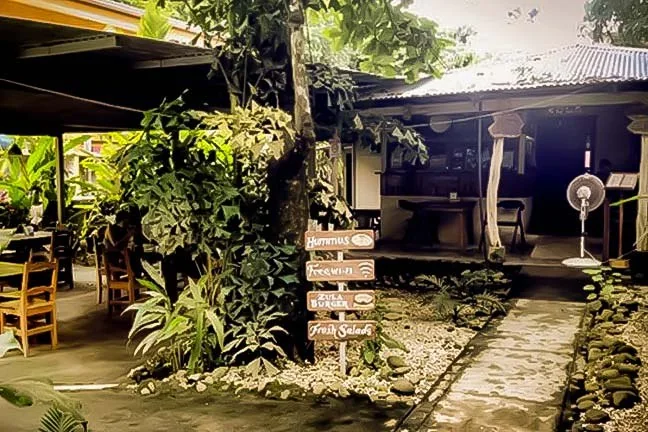
Zula Restaurant’s outdoor dining area. Image source: View original photo.
Zula in Santa Teresa describes itself as a family-run restaurant serving Israeli and Costa Rican food. Its official restaurant page names dishes such as gallo pinto, casados, shakshuka, falafel and hummus, giving visitors several directions for a meal. Start by deciding whether you want a complete individual plate, something with bread, or dishes to share. Then check the current menu and serving time with the restaurant.
The same operator's website connects the restaurant with Zula Inn. Keep the restaurant visit and the accommodation booking distinct: a hotel contact can help you reach the team, but a room offer does not describe every condition of a meal. The official restaurant text was available in indexed search during our research while the live page was unreliable to load. We therefore avoid fixed hours, current prices and an unverified street-distance claim.
Choose the meal before choosing the dishes
The operator advertises breakfast, lunch and dinner, but confirm which service is available on your actual date. A page describing several meal periods does not guarantee that every listed dish is served throughout the day. If you are visiting specifically for breakfast, ask about that meal and its kitchen hours rather than assuming a general opening time covers it.
Decide how the stop fits the day. A breakfast before a booked activity needs a comfortable margin; a lunch after the beach can be more flexible. If your group wants to sit and talk, avoid fitting the meal into a short gap before a transfer. The breakfast planning guide helps compare the morning decision with other local stops without assuming one venue is best for every schedule.
Read the menu for the meal you actually intend to order. A photograph of a dinner platter may attract you to a restaurant but tell you nothing about its breakfast service. If a particular dish is essential to your plan, ask whether it is currently offered before making the trip. Have a second choice so an unavailable ingredient does not leave you starting the decision again at the table.
Use the Costa Rican side of the menu clearly
Zula's published examples include gallo pinto and casados. These names identify useful starting points, but the current restaurant menu should explain the complete plate. Ask what accompanies the main item, what choices are available and whether changes are possible. Do not assume an egg, salad, plantain or particular protein is included simply because you have seen it in another restaurant's version.
The Costa Rican food glossary can help you understand common menu vocabulary before ordering. Use it as language support, then return to Zula's actual description. A food term gives context; it does not define a fixed recipe or portion at every business. If you are unfamiliar with an ingredient, ask the server to describe it rather than ordering only from an appealing photograph.
For a complete lunch, compare the whole plate with the other options you are considering. You may find that one individual dish covers your appetite without several additions. Another diner may prefer smaller shared items. Decide based on what is included and what you want to eat, not on the assumption that a local dish is always cheaper, larger or healthier than another category.
Plan a bread-and-hummus meal by its accompaniments
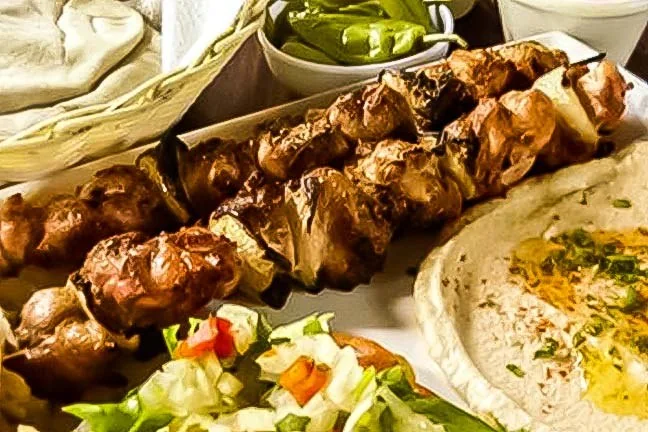
Hummus plates and pita sandwiches appear in the operator's published description. Ask what each current option contains and how much bread accompanies it. A dip can be part of a full meal or one shared component, depending on the portion and what you order alongside it. Clarify the serving size before deciding that one plate will be enough for several people.
When sharing, agree whether everyone will take from common plates or assemble an individual portion. Ask for additional serving utensils if needed and explain any restriction before dishes are placed together. Keep food intended for one diner identifiable. A shared spread is easier to enjoy when nobody has to guess which sauce or topping they can eat.
If extra bread or another accompaniment would complete the meal, check whether it is included or charged separately. Add those items to your comparison before deciding that a plate is inexpensive. The guide to comparing complete meals helps you evaluate the amount you will actually order rather than the lowest individual price on a menu. There is no need to build a large spread if one sandwich fits your appetite.
Ask how the Israeli dishes are prepared here
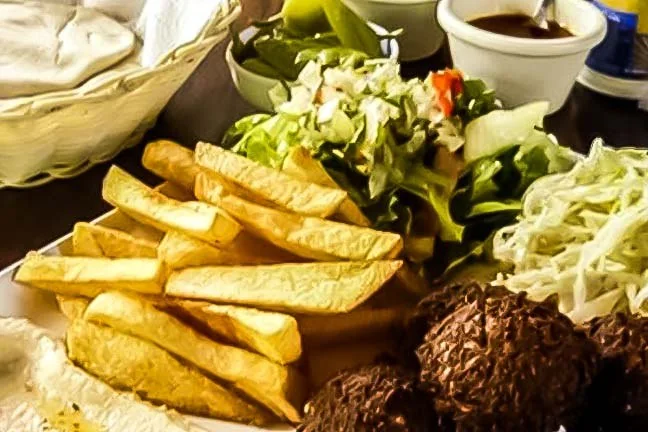
The restaurant's examples also include shakshuka, schnitzel and falafel. Treat the names as prompts to read the current preparation and sides. You may know a dish from home, but toppings, accompaniments and portion sizes can differ. Ask whether the menu's description refers to a full plate, a sandwich filling or an item intended to combine with another order.
If you prefer a particular texture or want to avoid a sauce, explain that before ordering. A topping might be served separately while an ingredient mixed into a preparation may not be removable. Let the kitchen say what is feasible. Avoid asking the server to promise that a dish will reproduce a version you remember from somewhere else.
For a first visit with two people, one practical approach is to choose distinct main formats, then share only what both diners want to try. This is an editorial ordering suggestion, not a Zula set menu. It can reveal whether you prefer the individual plate or bread-based option without requiring a large mixed order. Ask about portions first and keep the decision proportionate to your appetite.
Separate preferences, allergies and preparation needs
An Israeli or Costa Rican menu label cannot establish whether a dish meets a dietary restriction. A vegetable-centered preparation may contain an animal ingredient, and a familiar dip can include an ingredient you need to avoid. State the exact restriction and ask about the entire dish, including dressings, bread and garnishes. Avoid relying on the cuisine's reputation as a substitute for ingredient information.
The vegan dining guide offers questions you can adapt to the current menu. For an allergy, discuss the kitchen's preparation process as well as ingredients. Removing a visible topping does not establish that utensils or surfaces are separate. Ask the restaurant what it can reliably accommodate and make your decision from that answer rather than trying to infer a policy from photographs.
If several members of a group have different needs, send a concise list before choosing the venue. Distinguish requests that are essential from preferences that can be flexible. Ask whether suitable dishes are available during the intended service. A clear answer for dinner may not cover a breakfast menu, and an answer for one guest should not be assumed to cover a different restriction.
Choose a drink as part of the order
The operator describes fruit smoothies among its offerings. Check the available fruit and ask what is added if sweetness or a specific ingredient matters. A fruit name on a menu does not explain whether a drink uses water, milk, another base or added sweetener. Request the preparation you want and let the staff confirm whether it is available.
Consider the drink alongside the meal rather than treating it as an automatic extra. A filling drink may change how much food you want; another diner may prefer something simple with a substantial plate. Ask the size if the menu does not make it clear. This is especially useful when sharing a family order, where several additional drinks can change the total noticeably.
If you have questions about drinking water, ask what the restaurant serves rather than assuming a source from the location or the appearance of a glass. Keep that question brief and practical. The relevant choice is what you are comfortable consuming with the meal, based on the information the establishment can provide, without making a general claim about every water supply in Santa Teresa.
Coordinate a family or small group visit
Send the party size and intended time if you need a table for several people. Ask whether reservations are accepted for that service and wait for an explicit confirmation. The restaurant booking guide helps organize the request. A family-run description concerns the business; it does not guarantee a high chair, children's menu or a particular table arrangement.
For a child, identify a suitable portion from the actual menu and ask about ingredients and any needed adjustment. Avoid promising a familiar dish before you know the restaurant's version. Arrange for someone to remain with children while another adult handles ordering or payment if that suits the service. Keep belongings and any stroller out of the routes used by staff and other diners.
Agree on payment before a shared order grows. If each person will pay separately, check how the restaurant handles it. If one diner covers the total, keep a simple note of shared dishes and individual additions. The family travel guide can help you fit the meal around rest and activities, so the visit does not depend on everyone remaining energetic at the end of a long day.
Get the restaurant pin rather than a hotel assumption
Ask for the restaurant's current map pin and guest entrance. The website's connection to Zula Inn is useful for identifying the operator, but it is not enough to establish the exact drop-off route. Confirm whether you should arrive at the restaurant entrance or approach through another part of the property. Send the confirmed location to anyone meeting you there.
The coffee and lunch route guide can help you combine the visit with a nearby errand once the location is confirmed. Keep the route short enough that your food stop does not become an unnecessary trip back and forth. If carrying groceries or other items, consider where they will remain during the meal and avoid leaving belongings where they obstruct seating.
Before leaving your accommodation, confirm the service if the meal depends on a particular time or dish. Plan the return in advance if you will drink alcohol, and do not ride afterward. Check the final bill against the order and clarify any charge you do not understand while still at the table. A current menu, a precise entrance and a manageable order provide a stronger basis for a Zula visit than old prices or broad claims about what every diner should try.
Confirm the current meal and entrance
Use Zula’s published cuisine as a starting point, then request the current menu and restaurant pin. Order for your appetite and dietary needs, and avoid relying on old hours or price screenshots.