
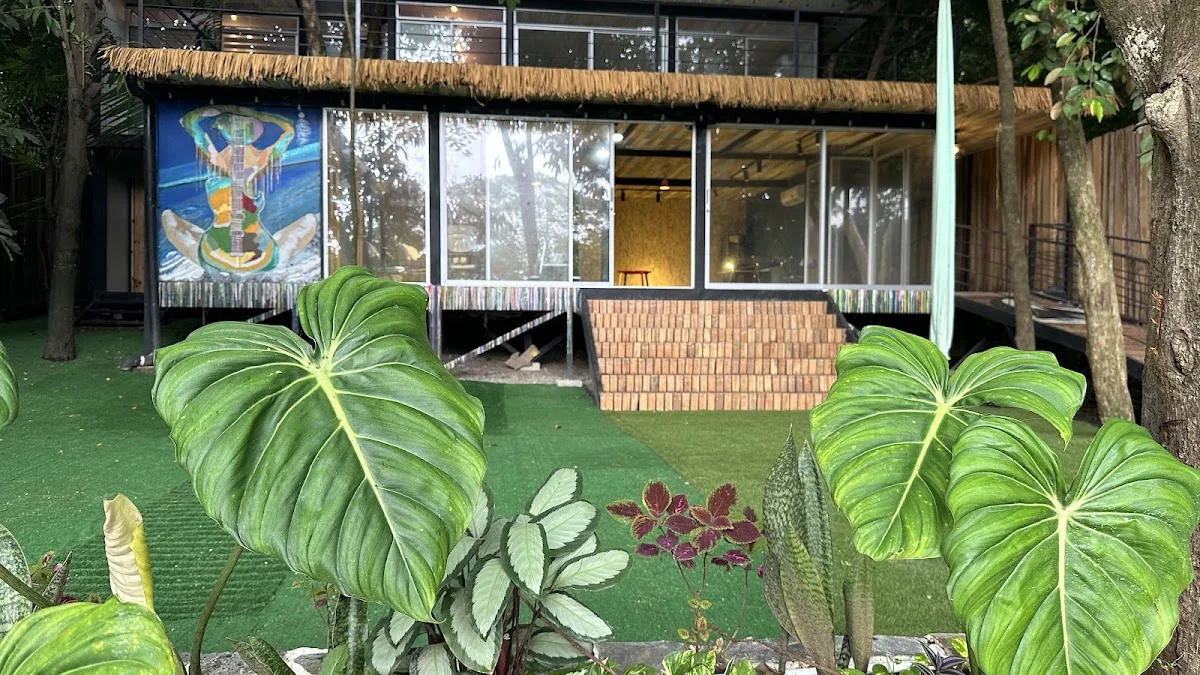
Creativo ART Center in Santa Teresa. Image source: View original photo.
Creativo Art Center lists art, music and cultural activities in Mal País, near Santa Teresa. Its website separates open studio, workshops, private art sessions and children's programs. That distinction matters more than the general idea of visiting an art center. A traveler who wants a quiet hour making something independently needs a different arrangement from a family seeking an instructor-led activity.
Start by deciding who will participate, how much guidance they want and what they hope to take away. Then use the center's current contact and calendar links to confirm a suitable session. The website includes past dated events as well as ongoing descriptions, so a page that remains online is not proof of an upcoming booking. This guide provides a planning method, without claiming that our team attended a class or assessed its teaching.
Open studio suits an independent project
Creativo's open-studio page describes a workspace where visitors buy the materials they want to use from its art shop rather than paying an entrance fee. Confirm that current arrangement and the materials available before making a special trip. The published model gives you a place to create, but it should not be read as a private lesson included with every purchase.
Choose a manageable project for the time you have. A small painting or a simple craft may be easier to complete than a large piece requiring several stages. Ask staff which materials suit the idea and whether drying time will affect when you can leave. You do not need a polished concept, but knowing the size and type of object you want helps avoid buying supplies you will not use.
If you already have a project in progress, ask whether you may bring your own materials and whether the workspace can accommodate them. Do not assume tools or cleanup facilities are suitable for every medium. The center's published art-shop model does not automatically cover outside equipment, messy processes or storage between visits. Clarify those points before unpacking your own supplies.
A guided class should have a clear learning aim
For a taught session, explain what you want help with: using a particular material, learning basic technique or completing a small project. Creativo's events page advertises private art classes tailored to participants. Ask what the instructor proposes for your experience level and available time. A clear learning aim gives the teacher more useful information than a request to do something creative.
You do not need prior expertise to ask practical questions. Find out whether the session includes a demonstration, individual feedback and time to work independently. Ask which materials are included and what happens to the finished piece. If you want to learn a technique rather than copy a design, say so before the project is selected.
For two adults with different experience, ask whether they can work on different tasks in the same session. One may want detailed instruction while another prefers occasional feedback. The non-surf activity guide can help you decide how an art session fits alongside other interests, especially when one companion wants an activity that does not depend on ocean conditions.
A family session works best with a shared scale
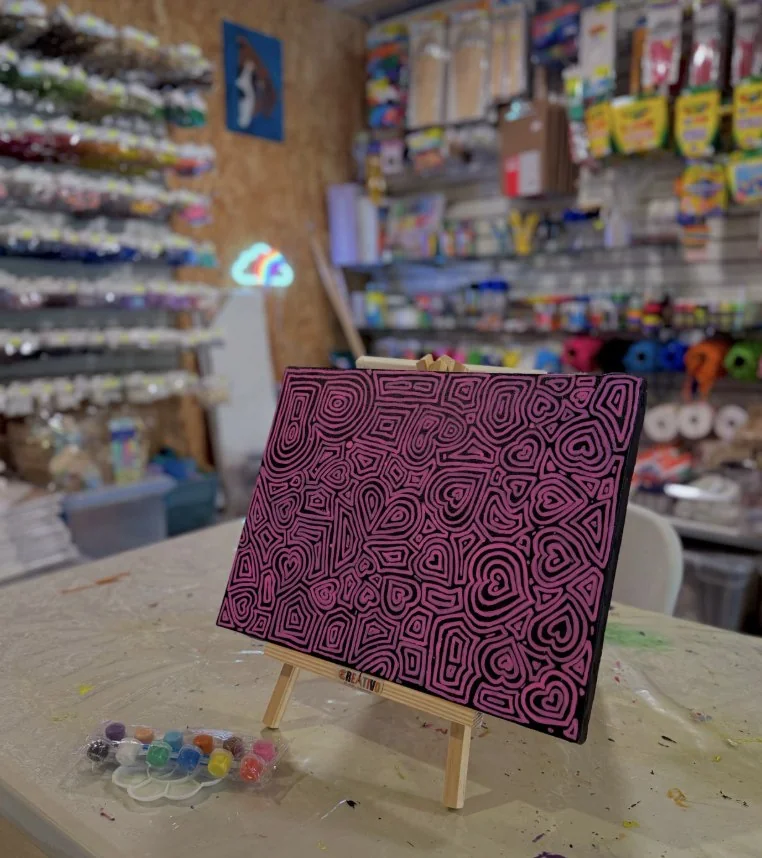
The operator advertises private family painting sessions at the center or at a home, villa or hotel. Confirm the arrangement for your location and date, including whether the property permits an outside instructor. A room or rental agreement may have rules about visitors, work surfaces or activities. Resolve those with the host before asking the teacher to arrive with supplies.
Choose a project that allows different ages to participate without requiring identical results. A family can work on separate small pieces around one theme, for example, rather than expecting a young child to follow every step of an adult exercise. This is a suggested approach to discuss, not a promise about the center's lesson plan. Ask the instructor what would fit the actual group.
Set expectations about who helps younger children and how breaks will work. An adult attending as a participant may still need to assist their own child unless the agreed service includes another arrangement. The family travel guide helps place the session at a time when children are fed and rested. A creative activity becomes harder to enjoy if it starts after an exhausting outing with no break.
Confirm supervision instead of inferring it
Creativo lists several children's offerings, including camps, private workshops and play-related services. These names do not all mean the same thing. Ask whether a particular booking requires an accompanying adult, permits a drop-off or includes a separate supervision service. Confirm the arrangement for each child's age and needs rather than relying on a broad family-friendly description.
For any session where a child stays without you, ask who is responsible, how to contact them, the pickup procedure and what information they need from you. Describe allergies or support needs privately through the center's requested channel. Confirm whether the planned activity remains on site and what consent is required for any movement elsewhere. These are questions to settle before booking, not a claim that every program includes an excursion.
Read the current terms for the specific program, including cancellation and late collection. A camp page can contain several years' dates, and an old price or age band may not apply to a future session. Ask for the correct form and written details for your dates. Do not register through an old link simply because its title sounds similar to the activity you want.
Check the calendar for the actual visit
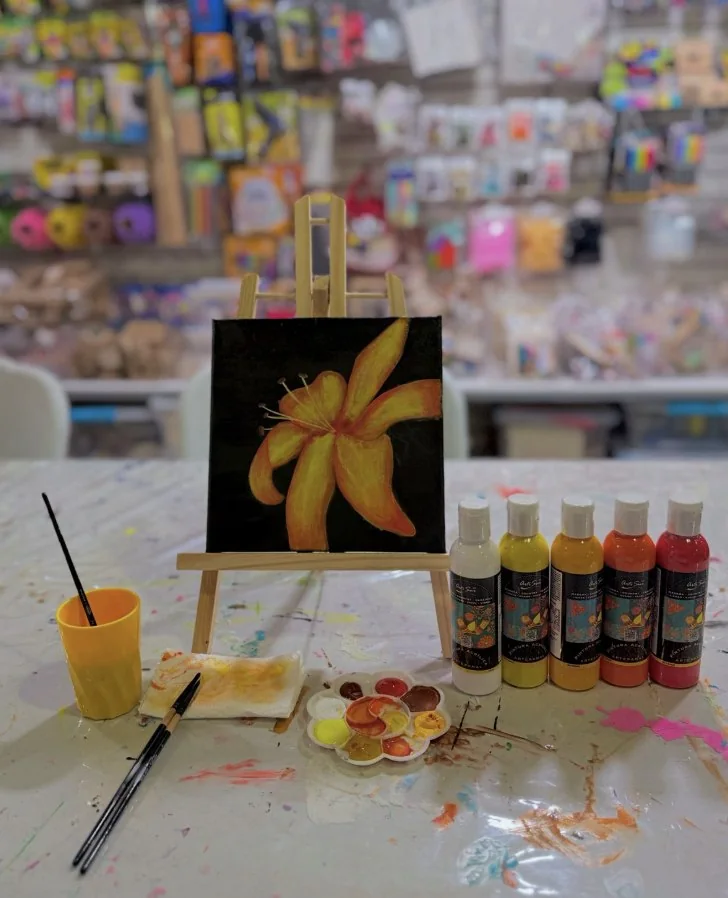
The events page promotes guided social painting and private workshops, while the calendar link is intended to show programming. Open the current calendar and check the full date, including year. If a recurring description appears, confirm that the next session is running before making plans around it. A phrase such as first Thursday does not override a cancellation or a changed program.
For an adult evening event, ask what participation includes and whether any food or drink is part of the price. If you do not drink alcohol, ask whether there is an alternative without assuming a discount or substitution. Arrange a sober return if alcohol will be involved, and do not plan to ride a bike or scooter afterward.
The rainy-day activity guide can help you build a flexible alternative to an outdoor plan, but confirm the center's actual opening and event availability. An indoor activity still requires a usable journey there and back. Avoid waiting until a tour is cancelled to discover that the art session needs advance booking or that the day's workspace closes earlier than expected.
Match materials to the journey home
Before selecting a large canvas or a fragile project, think about luggage and transport. Ask how long the piece needs to dry and whether it can leave at the end of the session. If it cannot, confirm collection arrangements and whether your departure allows time. A photograph of the finished work is useful, but it is not a substitute for deciding what happens to the physical object.
Ask about packaging suitable for the specific material. A flat paper piece, a damp painted surface and a three-dimensional craft need different protection. Do not assume the class includes a travel box or shipping service. If shipping is offered, ask for terms and a complete quote before selecting a piece that depends on it reaching home separately.
The packing guide helps you leave realistic room in your bag. For a short trip, a smaller project may be easier to keep than a large item that competes with essential belongings. Choose the size because it suits the activity and journey, not because a bigger object appears to offer more value for the session.
Bring what helps you work comfortably
Wear clothing you can comfortably move in and ask whether the medium can mark fabric. Bring any personal item you need for close work, such as your usual glasses, without assuming special equipment will be supplied. Ask whether aprons are provided if that matters. Keep your bag away from the work surface so paint, glue or water does not affect travel documents or electronics.
If concentration or sensory conditions matter, describe what helps you participate. You might want a quieter time, a certain seating height or information about background music. Ask what the center can accommodate instead of interpreting photographs as proof of a particular environment. An art session should be chosen around the conditions that let you use it comfortably.
Discuss access from the entrance to the workspace and restroom if needed. The website's description of an indoor studio does not establish a step-free route or suitable dimensions. Ask for concrete details and explain any equipment you use. A brief exchange can distinguish a workable session from one that would require arrangements the center cannot provide.
Find the right entrance and keep the outing simple
Creativo's contact page identifies Mal País and gives local landmark directions. Use its current map or request a pin for the activity location, particularly if a private session takes place elsewhere. Confirm whether your booking is at the center or your accommodation before arranging transport. The same provider can offer more than one setting, and the activity name alone may not settle that.
The transport guide for couples and groups helps coordinate a shared ride when participants come from different places. Plan how finished pieces will travel back. Large or wet artwork is not suitable to balance while riding, and a child needs an appropriate transport arrangement. If using Bimba for your own journey, check the live map for a permitted end location rather than assuming the center has a station.
Keep the rest of the day light enough to finish without rushing the final steps. The one-week itinerary can help you leave an open interval for cleanup, collecting work or talking with the instructor. Before paying, confirm the date, participants, total cost, materials and supervision arrangement in one place. That gives the visit a practical shape while leaving room for the creative work itself.
If someone travelling with you will not participate, ask where they can wait and whether the space accommodates companions. Do not assume that a purchase or class provides access to every part of the centre. Also agree how the team will communicate an earlier or later finish. That arrangement helps prevent someone waiting at the wrong entrance or a driver arriving while you are still protecting the artwork for transport.
Book the activity that matches the participants
Confirm the current date, teaching format and supervision arrangement. Choose a project that can dry and travel within your itinerary, and plan suitable transport for the finished work.