
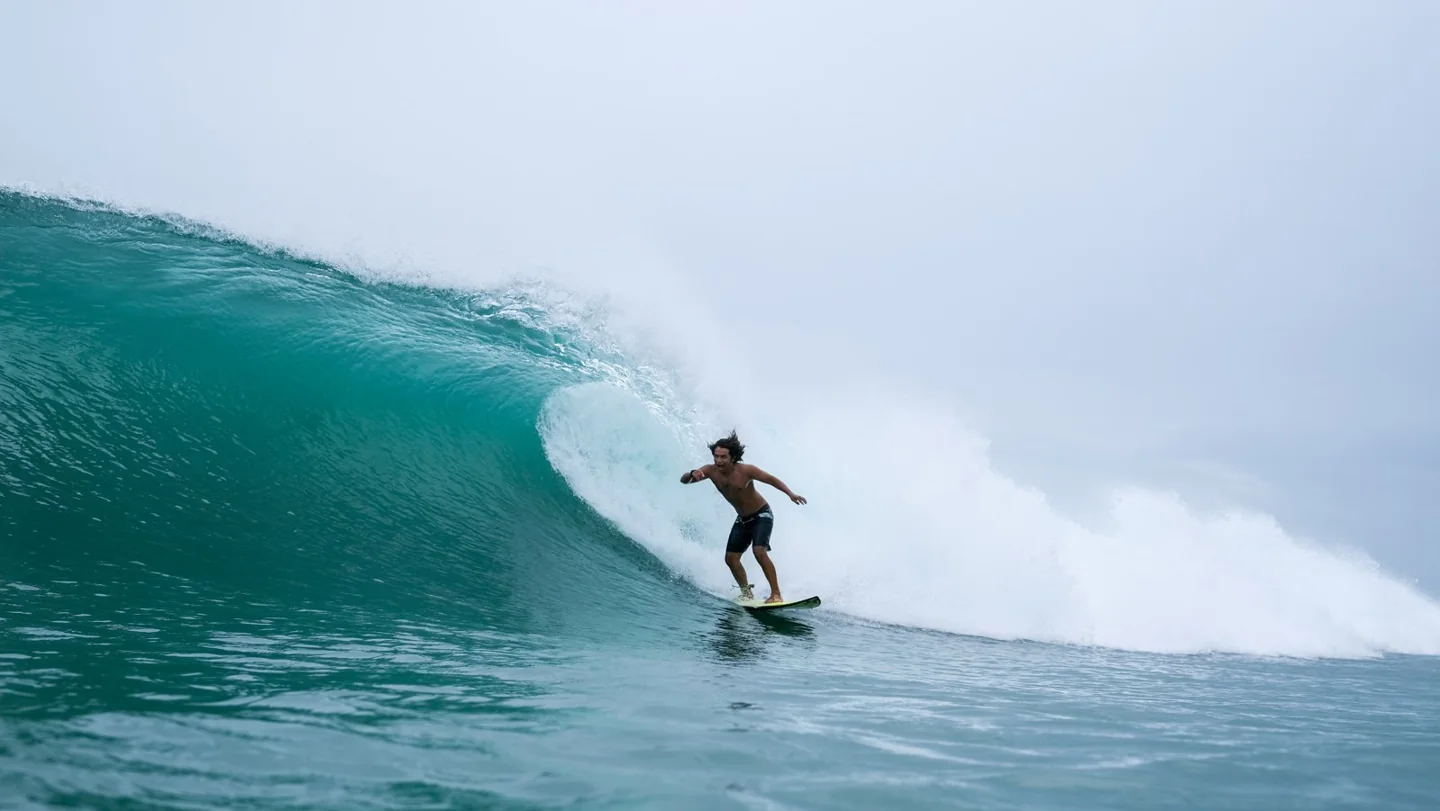
Surf photography published by Santa Teresa Surf. Image source: View original photo.
A surf photograph records a fraction of a second. Booking that fraction takes a clearer conversation than choosing a beach and sending a deposit. You need a photographer who can follow your actual surfing, an angle that produces the pictures you want, and a delivery agreement you understand. Santa Teresa has providers selling both dedicated photography and lessons with a photographer. Decide which service you need before comparing their prices.
Costa Olas advertises a photography service and a separate lesson with photography. Teresa Surf Co. also lists photo and video add-ons, with capture from land, water or air. These current listings establish that the service exists; they do not make every format available on every date. Ask for a written proposal for your group and conditions. A photographer's strongest portfolio image is a useful introduction, but a complete gallery from an ordinary session tells you much more about what you might receive.
Start with the photographs you want to keep
Choose a priority before sending examples. A small surfer within a wide beach scene tells a different story from a close view of a turn. A sequence showing your first stand-up has a different purpose from one frame for a large print. Send two or three references and explain what you like about them: the perspective, the scale of the surfer, the surrounding landscape or the moment in the ride. Avoid asking someone to recreate a particular wave that may not appear during your visit.
Describe your current ability honestly. Include the board you normally ride, whether you catch unbroken waves independently and how comfortable you are at the proposed beach. This helps the photographer decide how to track you and whether a coach should be involved. If you are still arranging instruction, use the surf lesson and camp comparison first. A photographic appointment does not automatically include teaching, supervision or someone choosing waves for you.
There is also a useful distinction between action pictures and portraits with a board. If the image you want is mostly you standing on the sand at sunset, commission that directly. You may save an unnecessary water session and give the photographer more control over composition. Our portrait photography guide covers that different brief. A combined package can work, but allocate time to each part instead of expecting a full portrait shoot after an already tiring surf.
Choose an angle for your actual session
A photographer working from shore can observe your movement along a stretch of water and include the beach in the composition. Ask to see examples made at a similar distance to where you will surf. Very tight images of advanced riders at one break do not demonstrate how your beginner lesson will look closer to shore. Discuss whether the camera will stay in one place or move with you. Neither approach is inherently better; the answer affects how you identify each other and where you meet afterward.
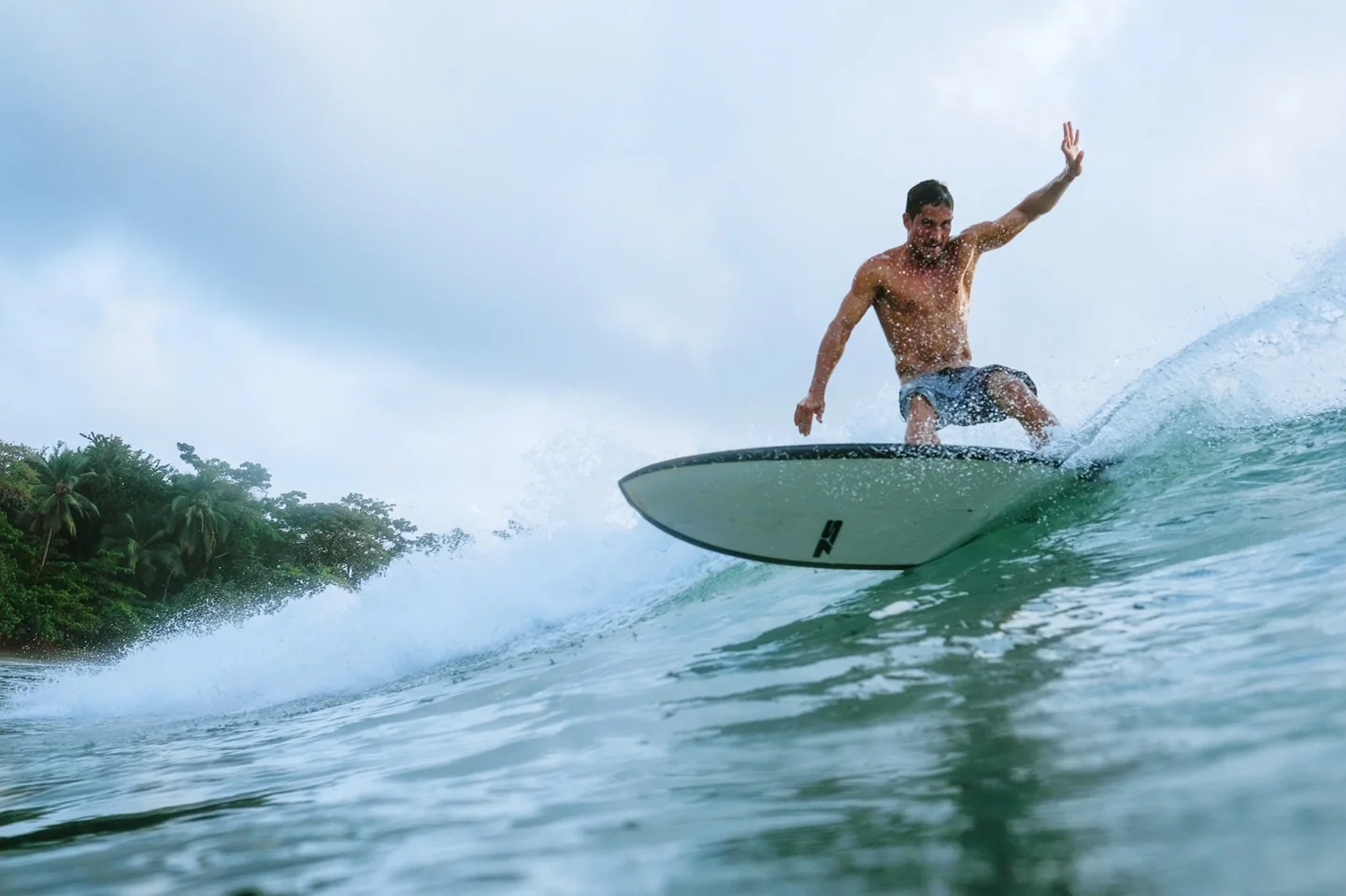
Water photography offers a different relationship between camera, rider and wave. Costa Olas specifically describes a photographer using a water housing for close images. That does not mean you should surf toward the camera or change your line to make a picture. Before entering, agree on identification, communication and how the photographer will position themselves. The professional should set the photographic arrangement around normal surf etiquette and suitable conditions. An impressive reference image is never a reason to attempt a wave beyond your ability.
Aerial images show the shape of the coastline and the surrounding ocean, but they may make the rider a small part of the frame. If a provider proposes drone work, ask what happens when weather, site restrictions or other operational constraints prevent flying. Do you receive a land session, a revised appointment or a refund for that component? Treat the proposed alternatives as contract terms. Do not buy an aerial add-on because it sounds more elaborate than a camera on the beach.
Compare complete galleries and complete quotations
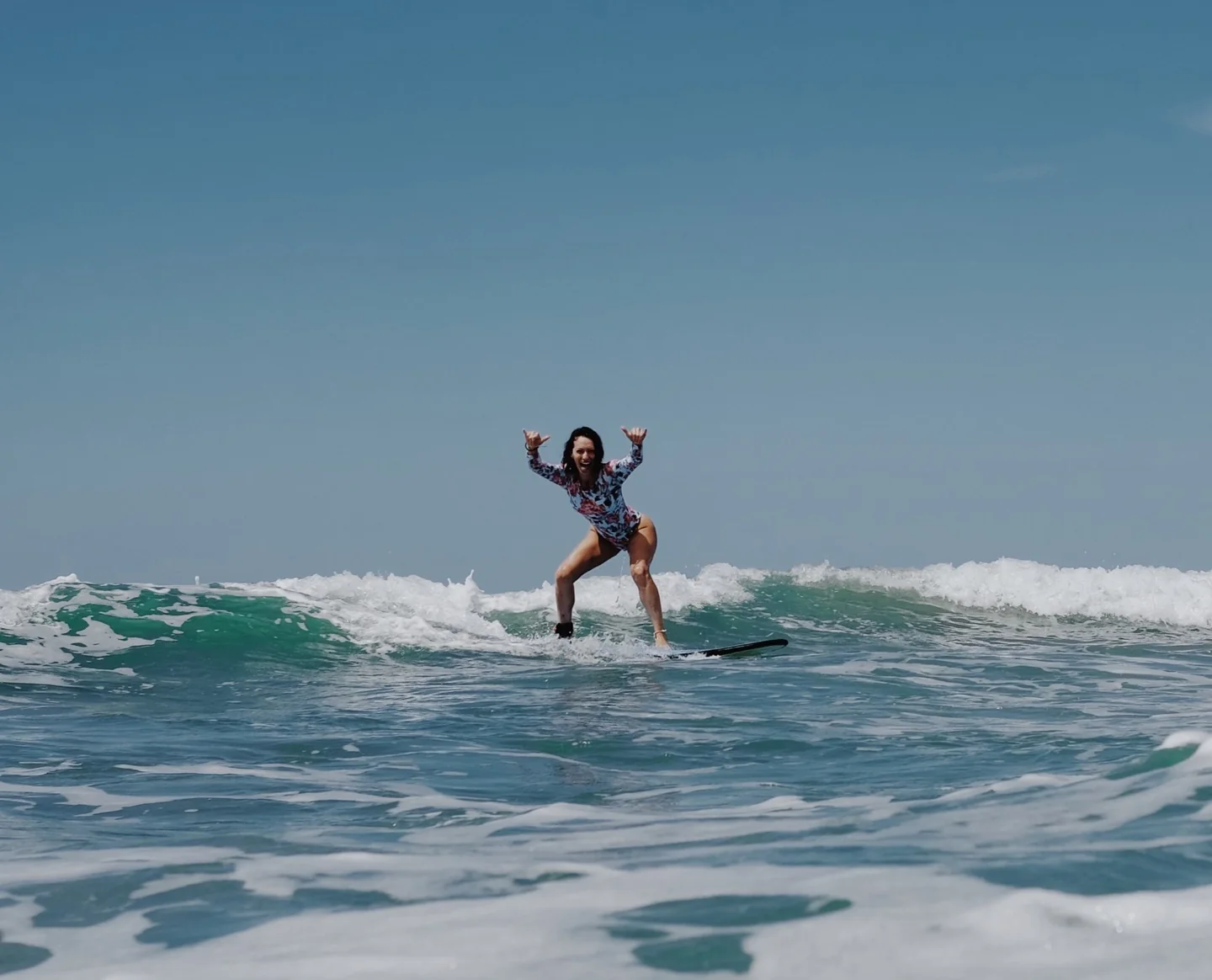
Ask to see a representative delivered gallery, ideally with permission from the photographed client. Look for variety and consistency: recognizable faces when intended, usable exposure, clear action and a coherent edit. Ten near-identical frames from one ride can be useful as a sequence, but they are not ten distinct stories. Ask how the photographer counts delivered images and whether rejected or duplicate files are excluded. A stated number matters only when you know what qualifies as a finished photograph.
Separate the photographer's time from the final products. The quote should identify the people covered, shooting duration, location arrangements, editing, file delivery and any travel charge. It should also say whether a coach, board or transport is included. Costa Olas sells a combined lesson product, while other providers may price the photographer separately. Comparing the headline totals without those distinctions can make a complete service look expensive beside a package that still needs several paid additions.
For a group, ask how attention is divided. An exclusive appointment can still produce uneven results if one person catches many more waves than the others. Discuss whether everyone should receive a small individual selection, whether friends riding together are a priority and whether a second photographer would materially help. The goal is a realistic allocation of attention, not an identical image count regardless of conditions. For children, agree with the parent or guardian on participation and image use before the booking is finalized.
Write down delivery and usage before paying
Request a delivery date and the method used to send the gallery. Ask how long downloads remain accessible and whether you receive files suitable for printing, social media or both. If you plan a large print, tell the photographer the intended size before the session; a cropped picture that looks excellent on a phone may not suit the same print format. Ask whether color and exposure editing are included and whether extensive retouching is a separate service. Raw camera files should never be assumed to be part of a package.
Describe your intended use in ordinary language. Posting a holiday photograph on your personal account, providing an image to a sponsor and using it in an advertisement are different requests. Ask for the permitted uses in writing, including any credit requirement. If commercial use is involved, explain the brand and campaign before the quote. This guide does not determine copyright ownership or permissions for you. It helps you identify the questions the photographer's agreement should answer before an image becomes part of a public project.
The photographer's own use deserves equal clarity. If you do not want recognizable pictures in a portfolio, advertisement or social feed, say so before confirming. Do not assume that buying a session settles that issue either way. For a group, avoid speaking for everyone without asking them. With children, obtain a clear agreement from the responsible adult and discuss whether names, school details or location information will appear with images. Private delivery and public promotion should be explicit parts of the conversation.
Build flexibility around the surf, not a fixed photograph
Costa Olas asks clients to contact the team directly because tides and conditions change. Use that as a planning principle: keep the appointment flexible enough for the professional to choose a suitable window, while making your own travel commitments clear. Give the dates you are available and the time you must leave on your last day. Ask when the final meeting point is confirmed and whether the booking can move to another day. A weather-dependent service needs a workable decision process, not a promise of a particular ocean background.
Clarify what happens in three different situations: the photographer cancels, conditions prevent the planned format, or you choose not to participate. Those cases may have different terms. Also ask what happens if the session takes place but you catch few waves. Paying for a professional's time is not necessarily buying a guaranteed number of successful rides. An agreed fallback, such as a short beach portrait component, can help if it fits both people's priorities; it should not be invented after the original session has failed to meet expectations.
Place the shoot after you have settled into your board and surroundings when your schedule allows. Trying unfamiliar equipment, learning a new break and being photographed at once adds competing tasks. Arrange a suitable board through the surfboard rental guide and keep the session focused on surfing you already feel ready to do. If the forecast or your energy changes, tell the photographer early. Honest information gives them a better chance to suggest an appropriate adjustment than a last-minute demand for different waves.
Arrive identifiable and leave with the agreement intact
Before the day, send a description of your board and clothing or a simple reference photo if requested. This is especially helpful when several surfers are using similar boards. Avoid changing to different equipment without telling the photographer. Agree on where to meet, how you will recognize each other and what to do if the mobile connection fails. Keep the meeting instruction available offline. A vague appointment at Santa Teresa Beach can leave two people looking at different stretches of sand while the useful light changes.
Plan equipment transport separately. The surf lesson transport guide explains why board handling should be agreed with the school or driver. Do not ride a Bimba with a surfboard or camera rig, and do not take one onto the beach. The beach access guide can help you separate the road arrival from the walk to the sand. A photographer's own vehicle does not imply that your group, boards or bags are included in their transport arrangements.
Afterward, confirm the delivery date through the same written channel used for booking. Download the agreed files before the gallery expires and keep a second copy somewhere independent of your phone. If something is missing, refer to the deliverables you agreed on rather than comparing the gallery with an unrelated portfolio session. The most useful booking outcome is a set of pictures that reflects your actual time in the water, with clear permission to enjoy them in the ways you planned.
Book the session you can actually surf
Choose a photographer whose ordinary work fits your level and intended use. Give the ocean room to change, and agree on deliverables before paying so the final gallery has a clear purpose.